What This Article Will Cover
- Why winter weather in Virginia and North Carolina pushes rodents indoors
- The specific cold-weather conditions that trigger rodent movement
- How mice and rats adapt their behavior during winter
- Common winter entry points around Mid-Atlantic homes
- Early warning signs of a winter rodent problem
- Practical prevention tips to keep rodents out
- What to do if you already have mice or rats in your home
Why Winter Weather Triggers Rodent Activity Indoors
Rodents don’t hibernate. Instead, they adjust. Winter in the Mid-Atlantic creates the perfect conditions for them to relocate indoors.
Dropping Temperatures Mean Survival Mode
As overnight temperatures fall into the 30s and below, rodents begin burning more energy just to stay warm. Indoor spaces provide:
- Consistent heat
- Protection from predators
- Shelter from wind, rain, and freezing temperatures
Once rodents find a nice, warm place to get comfy, they tend to stay there for the season.
Food Sources Disappear Outdoors
Winter reduces access to seeds, insects, and plant material. Landscaping becomes dormant, gardens die back, and trash is less accessible.
Your home, garage, or crawl space may offer:
- Pantry items
- Pet food
- Bird seed
- Cardboard and insulation for nesting
Seasonal Weather Patterns Matter
In Virginia and North Carolina, rodents often move indoors during:
- The first hard freeze
- Extended cold snaps
- Heavy rain followed by cold temperatures
- Sudden temperature drops after mild fall weather
These weather shifts accelerate rodent movement and increase the frequency of indoor sightings.
How Rodents Change Their Behavior in Winter
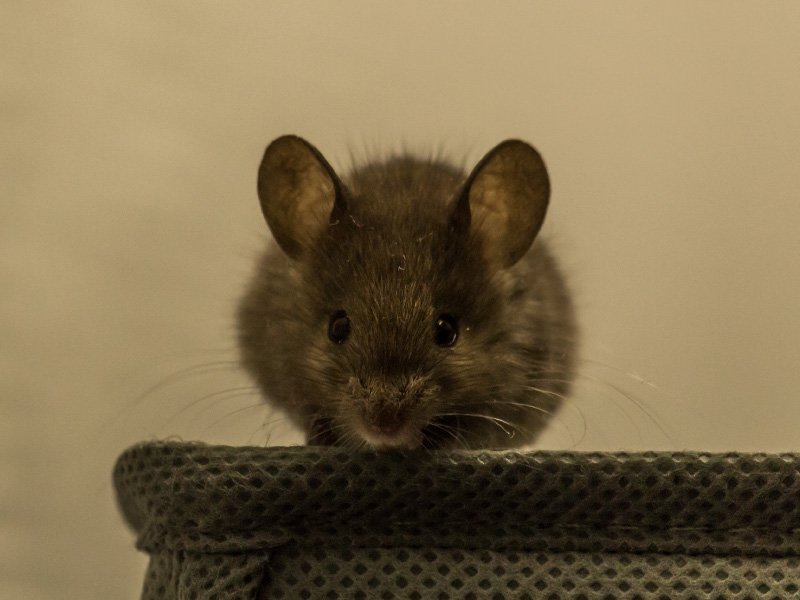
Mice Become More Exploratory Indoors
Mice are curious and flexible. In winter, they:
- Travel deeper into homes
- Use wall voids and ceilings for warmth
- Nest near heat sources like furnaces and water heaters
Rats Focus on Structural Entry
Different rat species use different parts of the home, but both remain active during winter in Virginia and North Carolina.
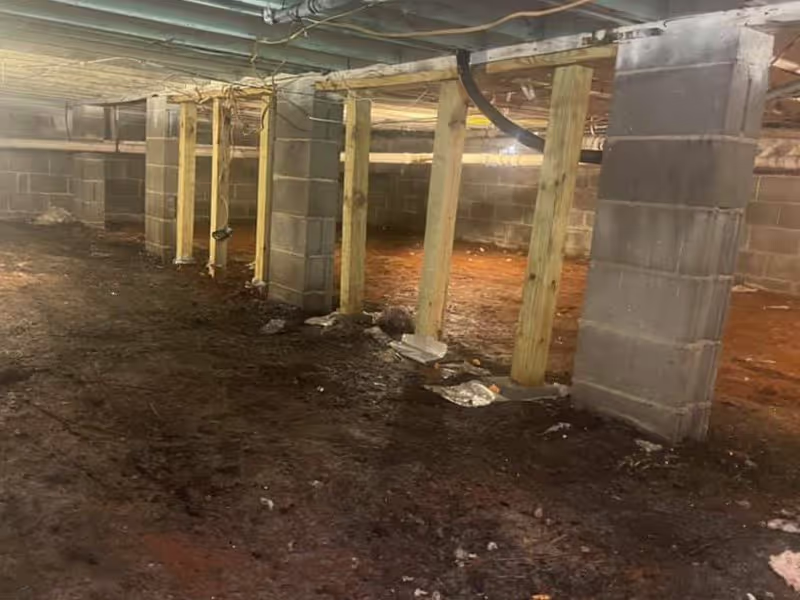
- Norway rats tend to stay low, often targeting crawl spaces, basements, garages, and areas near foundations.
- Roof rats prefer higher ground and are more likely to enter through rooflines, attic vents, chimneys, or overhanging tree branches.
Once inside, both species establish predictable travel paths along walls, utility lines, and framing, which allows them to move through the home while staying hidden.
Common Winter Entry Points Around Mid-Atlantic Homes
Cold weather doesn’t necessarily create holes, but it certainly exposes them.
Some of the most common winter rodent entry points include:
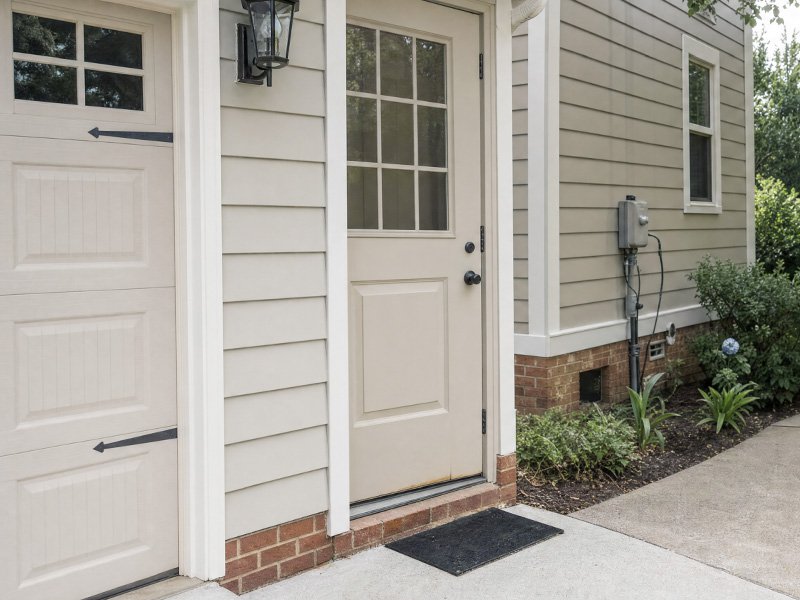
- Gaps around utility and HVAC lines
- Foundation cracks that widen during freeze-thaw cycles
- Worn or missing door sweeps and weather stripping
- Garage doors that don’t seal tightly
- Crawl space vents without proper screening or broken doors
- Roofline gaps and attic vents
Mice only need an opening about the size of a dime, and rats, a quarter, to get inside.
Early Warning Signs of a Winter Rodent Problem
Catching a rodent issue early can help prevent a full infestation.
Watch for:
- Scratching or scurrying sounds in walls or ceilings at night
- Droppings in kitchens, pantries, garages, or crawl spaces
- Shredded paper, insulation, or fabric used for nesting
Check out our article, Signs of Rodents in Virginia and North Carolina Homes, for more information on what to keep an eye out for. And remember, if you notice one sign, there are often more you can’t see yet.
Preventative Winter Rodent Control Tips for Homeowners
Prevention is always easier and less stressful than removal.
Here are a few ways you can repel rodent invasions:
Seal the Structure
- Repair cracks in foundations and siding
- Replace damaged weather stripping
- Install door sweeps on exterior doors
Reduce Attractants
- Store food and pet food in sealed containers
- Keep garages and storage areas clutter-free
- Move bird feeders away from the home
Protect Crawl Spaces and Attics
- Ensure vents are properly screened
- Address moisture issues that attract rodents
- Check insulation and access points regularly
A professional home pest control inspection can identify vulnerabilities most homeowners never notice.
What to Do If You’ve Already Found Mice or Rats
If rodents are already inside, prevention alone isn’t enough; you need a targeted pest control plan.
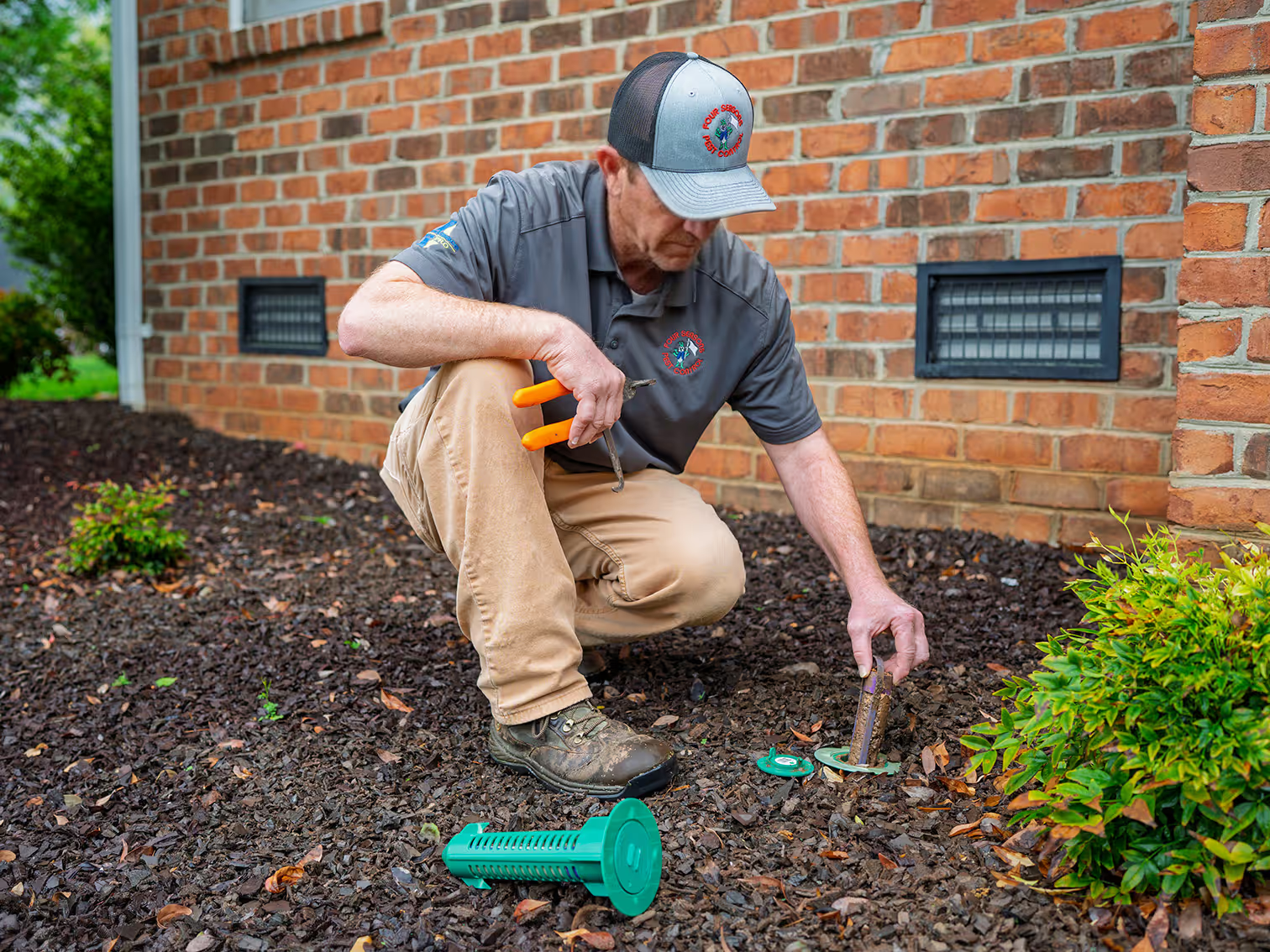
Four Seasons Pest Control focuses on:
- Identifying how rodents are getting inside
- Removing active rodents quickly and effectively
- Providing ongoing pest treatments to ensure mice and rats do not re-infest
This approach protects your home not just in winter, but throughout the year.