What This Blog Covers
- Why rodents are attracted to attic insulation
- How rodents damage and contaminate insulation
- Health, comfort, and energy risks tied to rodent activity
- Signs your attic insulation may be compromised
- Prevention tips to keep rodents out
- What to do if rodents are already in your attic
Why Attics Attract Rodents
Attics check all the boxes rodents look for when invading a home, especially during late fall and winter. These pests are searching for warmth, shelter, and close proximity to food, and your attic offers all three.
Attics are:
- Warm and insulated, especially during colder months
- Quiet and rarely disturbed, making them ideal nesting areas
- Easy to access, thanks to small gaps, vents, and roofline openings
Beyond shelter, attics also provide plenty of nesting materials. Insulation, stored boxes, old clothing, and other soft materials are perfect for building nests. From there, mice and rats can easily travel through wall voids to reach kitchens and pantries in search of food.
The Hidden Consequences of Rodent-Contaminated Insulation
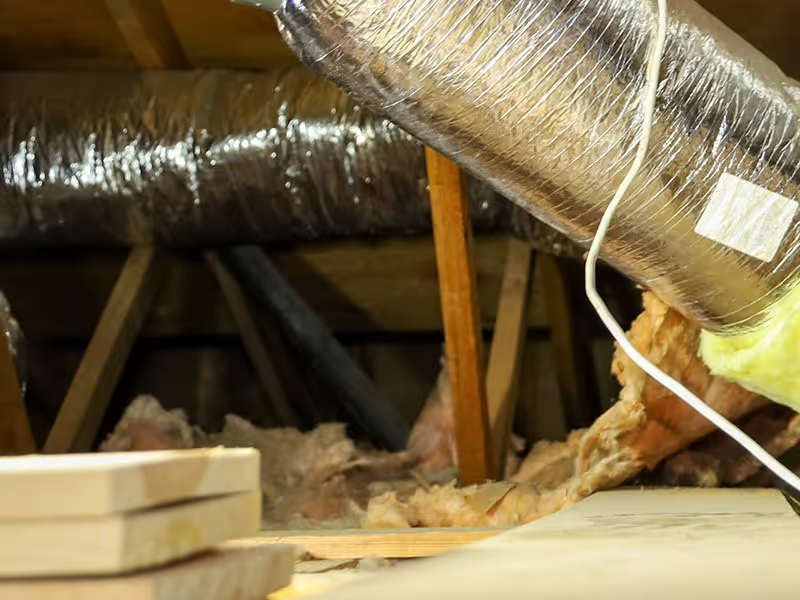
Rodents don’t just pull insulation aside to make nests, they actively damage it as they move throughout the attic and wall spaces.
Reduced Insulation Performance
As rodents tunnel through insulation, they:
- Create gaps and holes
- Compress insulation material
- Reduce its ability to regulate indoor temperatures
Damaged or compressed insulation can no longer do its job effectively, often leading to higher heating and cooling costs and uneven indoor comfort.
Health and Air Quality Risks
Rodent-contaminated insulation quickly becomes polluted with urine, droppings, and dander. These contaminants can carry harmful pathogens and may become airborne over time, especially when HVAC systems cycle air through the home.
This can contribute to:
- Poor indoor air quality
- Respiratory irritation
- Increased health risks for children, seniors, and those with allergies or asthma
Persistent Odors
Rodents leave behind a strong, musky odor that can seep into living spaces. Once insulation is contaminated, these smells can be extremely difficult to eliminate without professional removal or replacement.
Damage Beyond Insulation
Insulation damage is often just the beginning. Rodents in the attic may also:
- Chew on electrical wiring, increasing fire risk
- Damage wood and structural components
- Gnaw on pipes, leading to leaks and moisture issues
Signs Your Attic Insulation May Be Contaminated
Rodents aren’t subtle houseguests. Even if you don’t visit your attic often, several signs can point to a problem.
Common indicators include:
- Uneven, flattened, or disturbed insulation visible from the attic access
- Strong, unpleasant odors, especially during warm weather
- Rodent droppings or urine stains on insulation or attic surfaces
- Scratching or scurrying noises, particularly at night
- Increased energy bills with no clear explanation
If you’re unsure what you’re seeing, a professional inspection can confirm whether rodents have compromised your insulation.
Prevention: Don’t Let Rodents Ruin Your Insulation
Preventing rodents from entering your attic is far easier than dealing with the aftermath of an infestation. Four Seasons Pest Control recommends a proactive approach that focuses on exclusion and ongoing maintenance.
Effective prevention steps include:
- Sealing cracks, gaps, vents, and other potential entry points
- Scheduling routine inspections to catch early signs of activity
- Keeping yards clear of debris and trimming back vegetation
- Storing garbage, firewood, and food away from the home
- Reducing moisture by fixing leaks, cleaning gutters, and improving drainage
- Considering pest-resistant insulation materials
- Signing up for a year-round home pest control plan
These steps help protect not only your insulation, but your entire home.