What This Blog Covers
- What Oriental cockroach eggs actually look like—and why you’re usually finding an egg case (ootheca), not loose eggs
- How to identify an Oriental cockroach ootheca and tell it apart from common look-alikes
- The most common places Oriental cockroach egg cases are found inside and around homes
- What finding an egg case usually means about moisture and roach activity nearby
- Safe next steps to take if you discover an Oriental cockroach egg case in your home
- When DIY cleanup isn’t enough and it’s time to call a professional
Quick Takeaway: Oriental cockroach eggs are found inside a dark, capsule-shaped egg case in damp areas like basements and crawl spaces, and finding one usually signals nearby roach activity. In Virginia and North Carolina, Oriental cockroaches are especially common in homes with basements, crawl spaces, or persistent humidity.
What Do Oriental Cockroach Eggs Look Like?
You’re Looking for an Egg Case (Ootheca), Not Loose Eggs
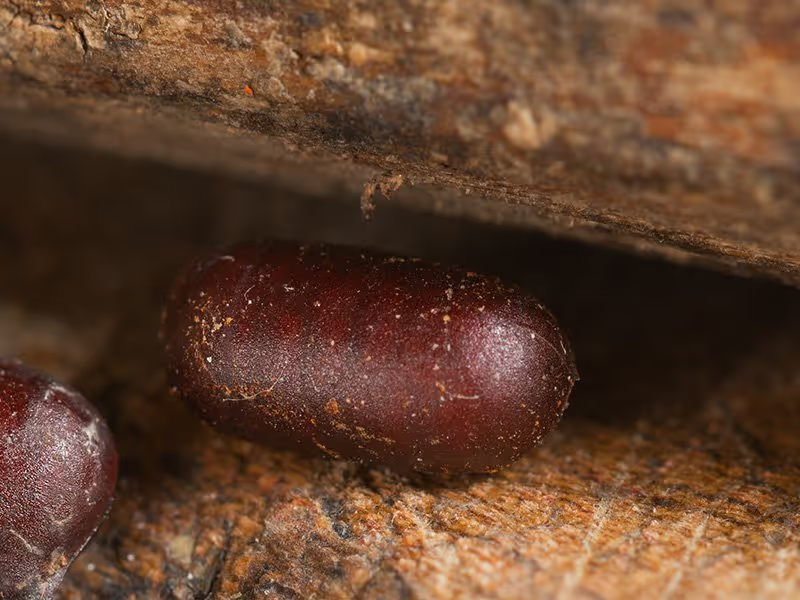
Oriental cockroaches package their eggs inside an ootheca. According to University of Florida entomology resources, each Oriental cockroach ootheca contains about 16 eggs.
Oriental Cockroach Egg Case (Ootheca): Size & Appearance
Most homeowners describe an Oriental cockroach ootheca as:
- Color: reddish-brown when fresh, often darkening over time toward very dark brown/black
- Shape: an oblong capsule (like a small pill, bean, or purse)
- Size: commonly around 8–10 mm long (a little under 1/2 inch)
Egg cases can look similar between roach species. Oriental cockroach egg cases are smooth and capsule-shaped—not ridged like German cockroach oothecae.
A single ootheca is helpful evidence, but the best “ID” is usually a combination of what you found plus where you found it.
If you’re also seeing the roaches themselves, our Oriental cockroach identification guide is the best next step.
Where Are Oriental Cockroach Egg Cases Found in a House?
Oriental cockroaches prefer cooler, damp environments and tend to stay close to the ground and near moisture.
That’s why egg cases are most often discovered in places like these:
Basements (especially along walls and near drains)
Check:
- Around floor drains
- Behind stored items pushed against foundation walls
- Utility corners near sump pumps or water heaters
Crawl spaces and under-porch areas
Crawl spaces are a common “hidden” source of Oriental roach problems because moisture can linger for long periods.
If you’ve had dampness down there, these articles can help:
Under sinks and around plumbing penetrations
Look:
- Under kitchen and bathroom sinks
- Behind toilets (especially if there’s any slow leak)
- Where pipes enter walls/cabinets (gaps act like “highways” for roaches)
Laundry rooms, utility rooms, and garages
Any area with:
- Humidity
- Cardboard storage
- Pet food
- Floor-level hiding spots
Outdoors right next to the house (then they move inside)
Oriental roaches often build up outdoors in damp, organic areas and then wander inside through gaps and door thresholds.
That’s why it’s common to find egg cases near:
- Foundation edges
- Mulch beds that stay wet
- Areas with leaf litter or damp debris near the home
What Finding an Oriental Cockroach Egg Case Usually Means
An egg case is a sign of activity nearby.
It doesn’t always mean the nest is inside that exact spot—but it does mean the conditions were safe and damp enough that a female was comfortable leaving it there.
Practical takeaway: if you only remove the egg case (or spray what you can see), but the moisture and hiding spots stay the same, the problem often returns.
If you want a quick “bigger picture” checklist, read: The Warning Signs of Roaches You Shouldn’t Ignore
If you’re seeing this in a Virginia or North Carolina home, our team can help confirm the species and identify moisture issues before the problem spreads.
Common Look-Alikes (So You Don’t Chase the Wrong Problem)
Roach egg cases are frequently confused with:
- Mouse droppings: usually more pointed ends and you’ll typically find many pieces scattered along runways
- Seeds/grains: often lighter and more uniform
If you’re seeing a lot of dark specks (like black pepper) near damp areas, that may be roach droppings rather than an egg case.
What To Do If You Find an Oriental Cockroach Ootheca
Finding an Oriental cockroach ootheca is a sign of activity—not something to shrug off or experiment with. Here’s how to handle the situation safely and smartly.
Don’t Handle It With Bare Hands
If you’re finding egg cases, seeing nymphs (baby roaches), or noticing activity returning after sprays or baits, the problem is already beyond spot treatment.
At that point, the most effective solution is a targeted, professional plan that addresses moisture, harborage areas, and the full life cycle—not just what’s visible.
Egg cases are unsanitary, and crushing them just spreads contaminants. Treat it the same way you would any other pest evidence in your home.
Remove It Carefully (Without Making a Mess)
If you’re disposing of it, keep it contained:
- Use gloves or a paper towel and seal it in a plastic bag before throwing it away
- Or vacuum it using a bagged vacuum, then remove and discard the bag outside immediately
This is about limiting exposure—not eliminating the problem.
Pay Attention to Why It Showed Up There
Oriental cockroaches don’t wander randomly. Egg cases usually point to conditions they like:
- Ongoing moisture from leaks or condensation
- Poor airflow in basements, crawl spaces, or utility areas
- Damp cardboard, clutter, or storage near the floor
Addressing moisture helps, but it won’t stop an established roach population on its own.
What not to do: Don’t crush it, don’t rely on spray alone, and don’t ignore moisture.
Make Sure You’re Dealing With the Right Species
Not all cockroaches behave the same, and misidentifying them is one of the biggest reasons surface treatments fail. Oriental roaches require a different strategy than German or American roaches.
Start here to confirm what you’re dealing with: Oriental cockroach identification and extermination
When It’s Time to Call Four Seasons
If you’re finding egg cases, seeing nymphs (baby roaches), or noticing activity coming back after sprays/baits, it’s usually time for a more complete plan.
You can start with upfront pricing here: Cockroach control quote
Or reach our local team here: Contact Four Seasons Pest Control
Prevention Is Where Four Seasons Makes the Difference
Cockroaches—especially Oriental roaches—are rarely a one-time issue. They’re drawn to ongoing conditions like moisture, shelter, and easy access, which is why prevention plays such a big role in long-term control.
Four Seasons’ residential pest control plans are built around stopping problems before they become recurring ones. Instead of reacting to each new sighting, our services focus on maintaining a home environment that’s less inviting to pests year-round.
Our preventative approach includes:
- Regular inspections to catch activity early
- Targeted treatments based on the type of pests present
- Identifying moisture issues and harborage areas that support pest activity
- Ongoing protection to keep insects and rodents out
This proactive strategy helps homeowners avoid the cycle of repeated sightings, temporary fixes, and escalating infestations.
If you’re ready for a more consistent, preventative solution, consider signing up for one of our affordable, year-round protection plans. Serving Southside Virginia and the North-Central Piedmont of North Carolina region since 1998, our local pest control company is ready to protect your home!
Oriental Cockroach Frequently Asked Questions
Are Oriental cockroaches dangerous?
Oriental cockroaches can spread bacteria as they move through damp, unsanitary areas, which makes them a health concern in the home.
Can preventative pest control help with Oriental cockroaches?
Absolutely, yes! Ongoing pest control helps monitor activity, address conditions that attract roaches, and prevent populations from becoming established in the first place.
Does seeing one Oriental cockroach mean I have an infestation?
Not always—but it often means conditions are right for more. Contact Four Seasons if you’re concerned about roach activity in your home!