The Short Answer: American Cockroaches Can Live a Year or Longer
Under favorable conditions, an American cockroach can live around a year or longer, and the full life cycle (from egg to adult) can stretch out over many months.
The American cockroach lifespan is a big reason these infestations don’t always “burn out” on their own. If the environment remains comfortable (especially in damp areas), they can continue to develop and reproduce.
If you’re seeing multiple roaches over a few weeks, especially in bathrooms, basements, kitchens, or laundry areas, it often points to an ongoing moisture + harborage issue, not a one-time “visitor.”
American Cockroach Life Cycle: The 3 Stages (And What You’ll Notice at Home)
American cockroaches go through three life stages: egg, nymph, and adult.
Stage 1: Egg (Ootheca)
A female American roach produces egg cases (called oothecae) and deposits them in sheltered, protected areas. Homeowners don’t usually notice these unless they’re cleaning out storage areas, moving appliances, or opening up voids.
What it means for your home:
If egg cases are present indoors, it’s a strong sign that conditions are comfortable enough for roaches to settle in—not just wander through.
Stage 2: Nymph (Juvenile Roach)
Nymphs look like smaller, wingless roaches. As they grow, they shed their skin several times.
What you might notice:
- Small roaches appearing in the same area repeatedly
- Roach activity increasing at night
- More sightings after moisture spikes (leaks, humidity, heavy rain)
What it means for your home:
If you’re seeing nymphs, you’re usually not dealing with a single roach. There’s often a hidden nesting area nearby.
Stage 3: Adult
Adults are the large roaches most people recognize, often reddish-brown, fast-moving, and very good at staying out of sight. They have wings, but rarely fly.
What it means for your home:
Seeing adults can mean one of two things:
- They’re coming in from outside (or from wall voids/sewer-connected areas), and you’re seeing “explorers.”
- There’s a harborage site on the property (crawl space, damp basement corner, utility room, etc.) supporting an ongoing issue.
For local treatment options, you can request pricing here: cockroach control quote.
What The American Cockroach Lifespan Tells You About Your Infestation
A longer lifespan means American cockroaches have time to:
- Find a dependable hiding spot
- Adapt to your home’s food/moisture patterns
- Build a repeating “route” (especially between drains, utility penetrations, and warm voids)
In plain terms: if conditions are right, they don’t just show up—they stick around and become a cockroach infestation.
Where American Cockroaches Hide (And Why It’s Usually Tied to Moisture)
American cockroaches prefer warm, damp, protected environments. In our area, we commonly find activity around:
- Crawl spaces
- Basements and utility rooms
- Plumbing penetrations and wall voids
- Floor drains and areas near bathrooms
- Garages with stored cardboard
Moisture is a big driver. If you’ve had ongoing humidity or dampness under the home, it’s worth reviewing your moisture situation:
- Moisture control services
- Is my crawl space moisture attracting pests?
- Keep your crawl space dry and pest-free this winter
What To Do If You See One American Cockroach
One roach doesn’t always mean an infestation, but you should treat it like a warning sign.
Step 1: Don’t Rely on “Quick-Spray” Only
Over-the-counter sprays can kill the roach you see, but they often don’t solve the hidden source (and can sometimes scatter roaches deeper into voids).
Step 2: Reduce Moisture and Food Access
Simple wins:
- Fix leaks (even small drips)
- Run a dehumidifier in damp basements or utility rooms
- Store pantry items in sealed containers
- Avoid leaving pet food out overnight
- Take out trash regularly and rinse recyclables
If you’re already working on broader protection, our home pest control program is designed to stop problems before they become infestations.
Step 3: Check the “High-Risk” Zones
Do a quick flashlight check:
- Under sinks and behind toilets
- Around the water heater/HVAC area
- Basement corners and behind stored items
- Crawl space access door and vents
If you spot repeated activity in one area, that’s helpful info for a targeted inspection.
When To Call a Professional (And Why Timing Matters)
You should strongly consider professional help if:
- You’re seeing roaches weekly (or more)
- You’re seeing nymphs (small roaches) indoors
- Activity is centered around moist areas that you can’t fully dry out
- You’ve tried DIY products and the sightings keep returning
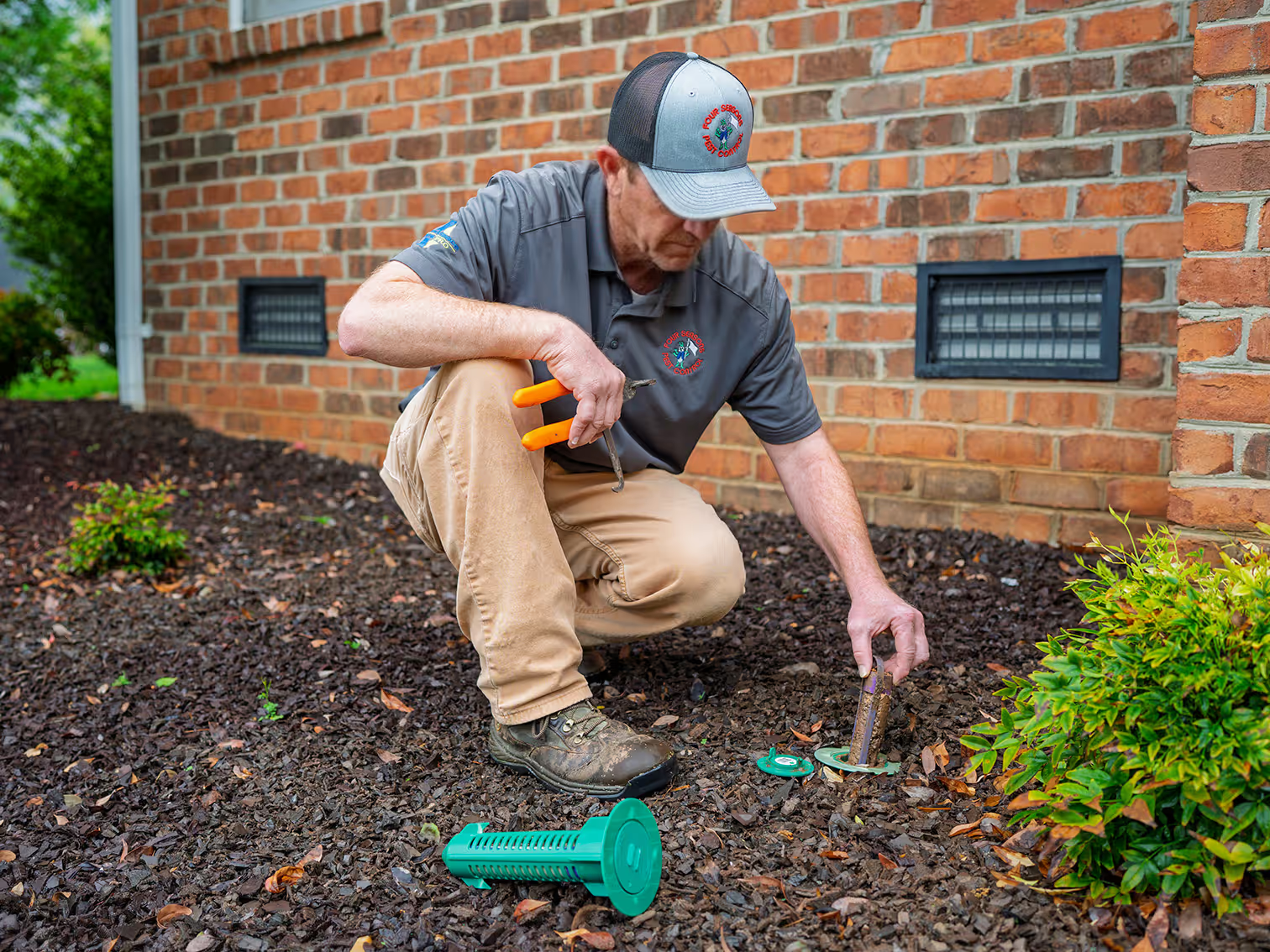
At Four Seasons Pest Control, we focus on finding the source, not just treating symptoms. That usually means:
- Pinpointing harborage areas
- Using targeted treatments (not a “one-size-fits-all” approach)
- Advising on moisture and entry-point fixes that support long-term results
To get started, reach out here: contact Four Seasons Pest Control.
What American Cockroaches Mean for VA & NC Homes
In our service area, we often see American cockroach issues tied to:
- Older plumbing and utility penetrations
- Crawl space humidity
- Basements and low-ventilation storage areas
If you’re local and want an inspection or a plan, start with your area page:
Contact Four Season Pest Control for Help Getting Rid of American Roaches
American cockroaches can live a long time, and that long lifespan is exactly why it’s smart to act early, especially if you’re seeing repeat activity or smaller roaches.
If you’d like us to take a look and give you clear, honest guidance (no pressure), request your next step here: cockroach control quote.
FAQs About American Cockroaches
How do I know if it’s an American cockroach or another type?
American roaches are typically larger than German roaches and are often spotted in basements, crawl spaces, and damp utility areas.
Does seeing one American cockroach mean I have an infestation?
Not always — but if you see them repeatedly, see nymphs, or find egg cases, that’s when we treat it as a likely established issue.
Do American cockroaches bite?
Bites are uncommon. The bigger concern is contamination and the stress of ongoing sightings.