Quick Answer: What Should I Do if I See Tiny Ants in My Kitchen?
If you see tiny ants in your kitchen, start with these simple steps:
- Clean up food crumbs and sticky spills
- Reduce moisture around sinks and pet bowls
- Avoid spraying the ants you see
If ants keep showing up for several days, appear in multiple rooms, or trails seem to move around the house, it’s a good time to have a professional take a look.
The Tiny Ants Most Homeowners See in Kitchens
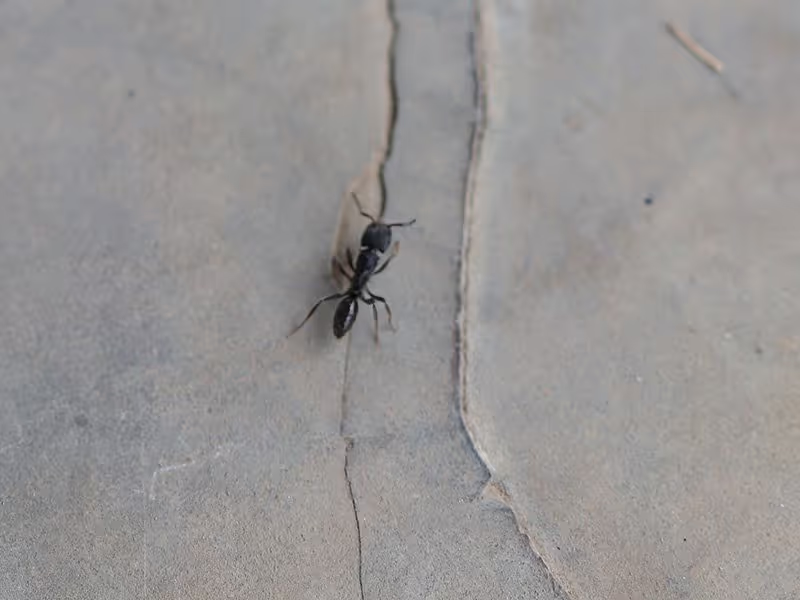
When people say “tiny ants,” they’re usually talking about one of two species we commonly see in homes around Virginia and North Carolina.
Odorous House Ants
These are by far the most common tiny ants we see inside kitchens and bathrooms.
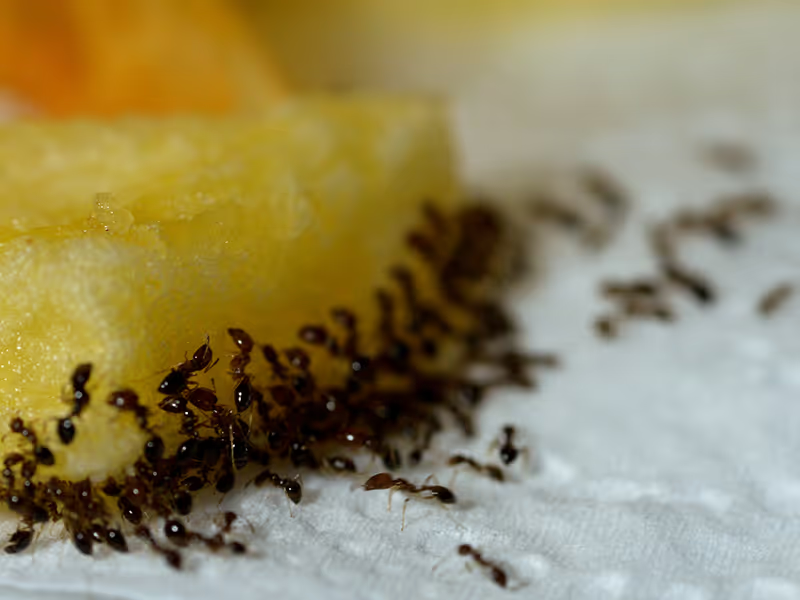
Odorous house ants are extremely small, brown to dark brown, and they’re attracted to:
- sugary foods
- moisture
- crumbs around sinks, counters, and pet bowls
If you crush one and notice a musty or rotten coconut smell, that’s a strong sign you’re dealing with odorous house ants.
They typically nest outside but move indoors through very small gaps when they find food or water.
Pharaoh Ants
Pharaoh ants are also tiny but behave differently. They’re more likely to nest indoors, often inside wall voids, cabinets, or behind appliances.
The challenge with pharaoh ants is that disturbing the colony can cause it to split into multiple nests, which can quickly make the problem spread.
That’s why figuring out which ants you’re dealing with matters more than most homeowners realize.
The Biggest Mistake: Spraying the Ants You See
We completely understand the instinct.
You see a trail of ants, and your first thought is, “Let’s knock these things out.”
But spraying visible ants is one of the most common reasons a small ant problem turns into a bigger one.
With ants like pharaoh ants and odorous house ants, spraying often:
- disrupts the colony
- breaks up scent trails
- causes the colony to scatter and relocate
Suddenly, the ants that were in one spot start appearing in three or four new places.
Instead of solving the problem, it can accidentally spread it.
If the ants keep coming back or you’d rather not experiment with sprays and guesswork, it may be time to have a professional take a look. Request your free ant control quote now!
What You Can Do Right Away
There are a few simple steps that help reduce ant activity while the root issue is being figured out.
Clean Up Food Trails
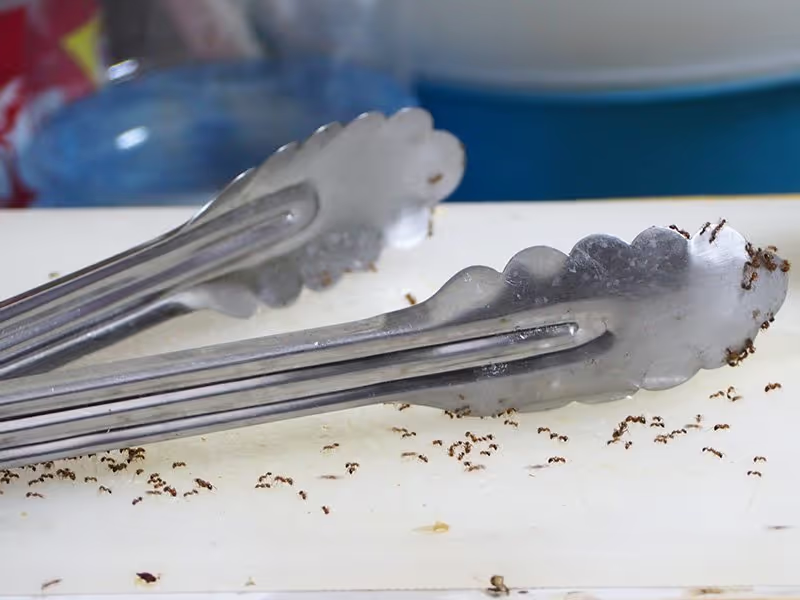
Ants follow scent trails to food sources.
Wipe down:
- counters
- backsplashes
- cabinet edges
- areas under appliances like the toaster or coffee maker
Soap and water works fine for this.
Lock Down Food Sources
Tiny ants don’t need much.
Keep these things sealed or cleaned up:
- sugar
- honey
- cereal and snacks
- pet food bowls
- fruit left on the counter
Rinsing recyclables before putting them in the bin can also make a big difference.
Address Moisture
Ants often show up for water just as much as food.
Check for:
- slow leaks under sinks
- damp sponges or dishcloths
- standing water in plant trays
- condensation near windows or dishwashers
Pay Attention to Where They’re Coming From
You don’t have to follow every ant across the room.
Just notice patterns like:
- trails along baseboards
- ants appearing from behind the dishwasher
activity near windows or door frames - ants coming from outlets or cabinets
That kind of information helps a pest professional track down the colony faster.
Why Ants Keep Coming Back (Even in Clean Homes)
A lot of homeowners feel frustrated because they keep a very clean kitchen but still see ants.
That’s actually pretty common.
In many cases the issue isn’t crumbs—it’s where the colony is located. Many homeowners dealing with tiny ants are surprised to learn how kitchen infestations actually start.
We often find nests:
- inside wall voids
- under cabinets
- beneath concrete slabs
- outside along the foundation
- under mulch, stones, or landscaping
Many ant colonies also create multiple satellite nests, which is why trails sometimes disappear and then reappear somewhere else.
When It’s Time to Call a Professional
If you’re noticing any of the following, it’s usually time to bring in help:
- ants show up daily for several days
- trails appear in multiple rooms
- the location of the ants keeps changing
- cleaning and sanitation haven’t slowed them down
At that point, the goal shifts from simply removing the ants you see to finding and eliminating the source of the colony.
How Professional Ant Control Solves the Problem
When we treat ant problems at Four Seasons Pest Control, the goal isn’t just a quick knockdown.
We focus on stopping the repeat cycle homeowners deal with year after year.
That usually involves:
- identifying the likely ant species
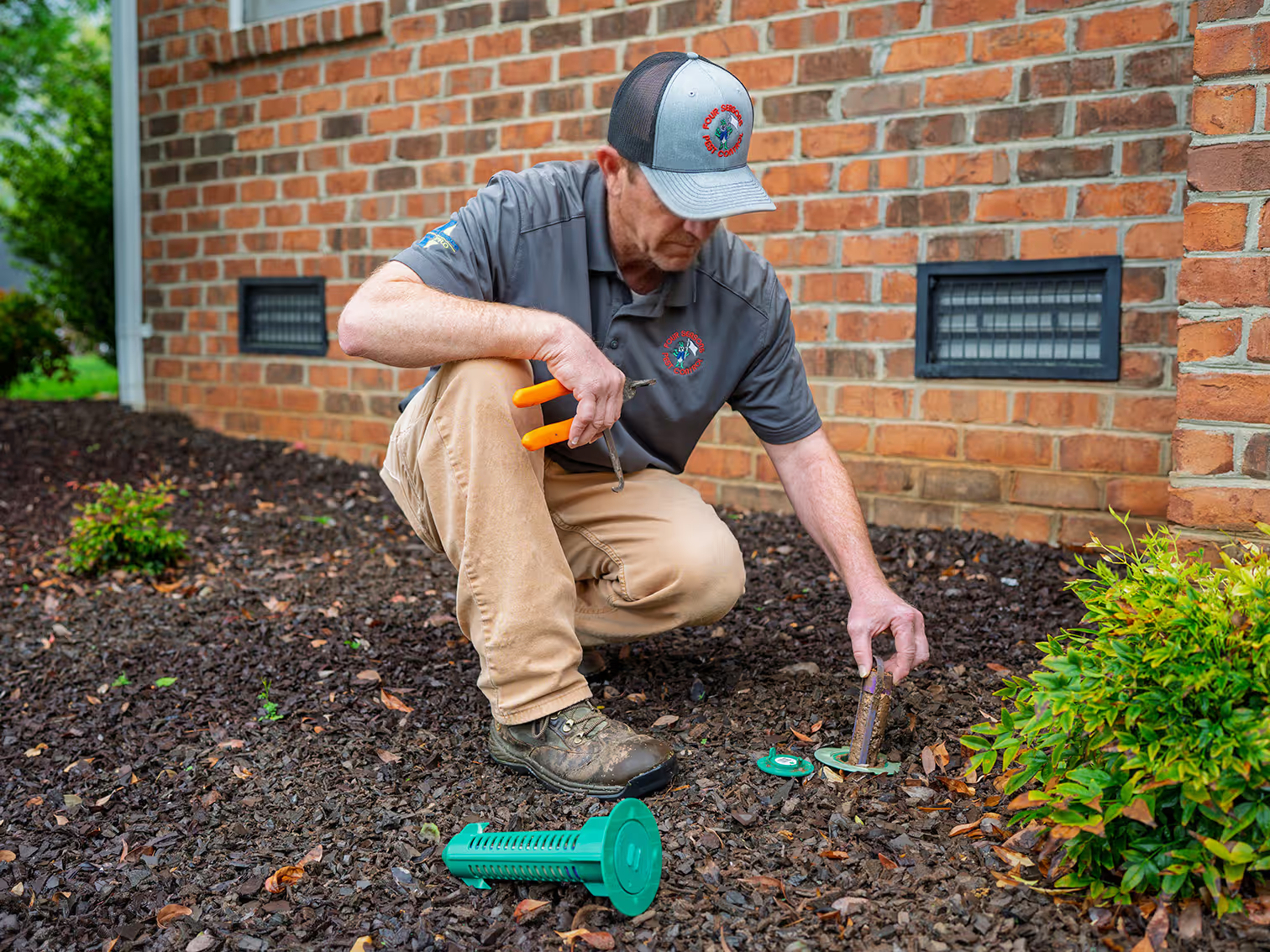
- placing targeted treatments where colonies actually live
- avoiding methods that scatter the colony
- addressing entry points around the home
For many homeowners, the best solution is an ongoing home pest control plan that helps prevent ants and other house-infesting pests, such as cockroaches, earwigs, and mice, from establishing themselves inside.
Local Experience Matters With Ant Problems
Ant behavior can vary quite a bit depending on climate and conditions.
Because we’re local to this region, we deal with the same ant species that homeowners in Danville, South Boston, Moneta, Reidsville, Burlington, and surrounding communities see every year.
That experience helps us identify problems quickly and treat them appropriately.
Need Help With Tiny Ants?
If ants are starting to show up in your kitchen, bathroom, or pantry, it’s usually easier to deal with the problem before the colony spreads or settles in behind walls or cabinets.
That’s where a professional inspection can really help. A trained technician can identify the type of ant you’re dealing with, locate the source of the activity, and recommend the right treatment approach, rather than guessing with store-bought products.
If you’d like a local expert to take a look, you can request a free estimate from the Four Seasons Pest Control team, or simply call (434) 836-1662 and speak with one of our friendly representatives!