Why You Might Only See One Ant
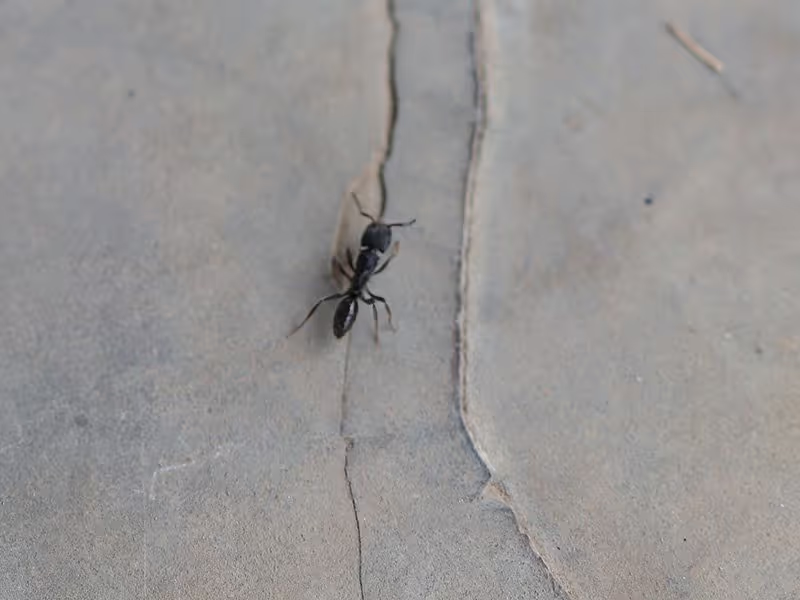
In many cases, a single ant is what’s known as a scout.
Scouts are sent out from the colony to search for food and water. Their job is to explore and report back if they find something worth returning to.
So if you’re seeing just one ant, it doesn’t necessarily mean your home is infested. It usually means something nearby caught that ant’s attention.
What Happens After a Scout Finds Food
If that ant finds a food or water source, things can change quickly.
Ants communicate using scent trails. Once a scout finds something, it leaves a trail behind as it heads back to the colony. That trail tells other ants exactly where to go.
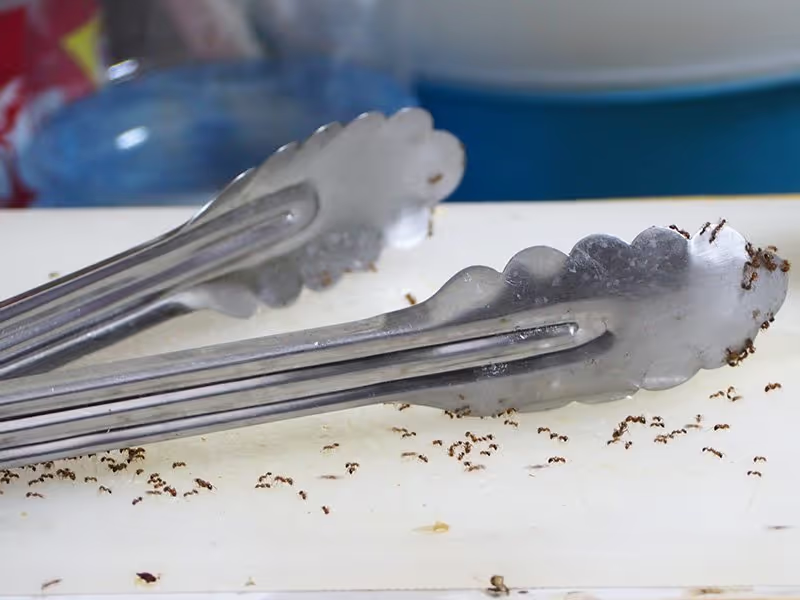
That’s why a single ant can turn into a line of ants seemingly overnight.
When One Ant Is Nothing to Worry About
Sometimes, it really is just one ant.
This can happen if the ant wandered in accidentally, didn’t find anything worth returning for, or the colony isn’t close by.
In these cases, you may not see another ant at all.
When One Ant Could Mean More
There are situations where seeing one ant is an early sign of a larger issue.
Pay closer attention if:
- You see another ant in the same area later
- The ant is near food or moisture
- You notice activity in kitchens, bathrooms, or around pet food
These are signs that a scout may have already found what it was looking for.
Why Ant Problems Build Quickly
What makes ants tricky is how fast things can escalate.
A colony can contain thousands of ants, and once a reliable food or water source is found, they can quickly send more workers.
That’s why what starts as a single ant can turn into repeated activity if the source isn’t addressed.
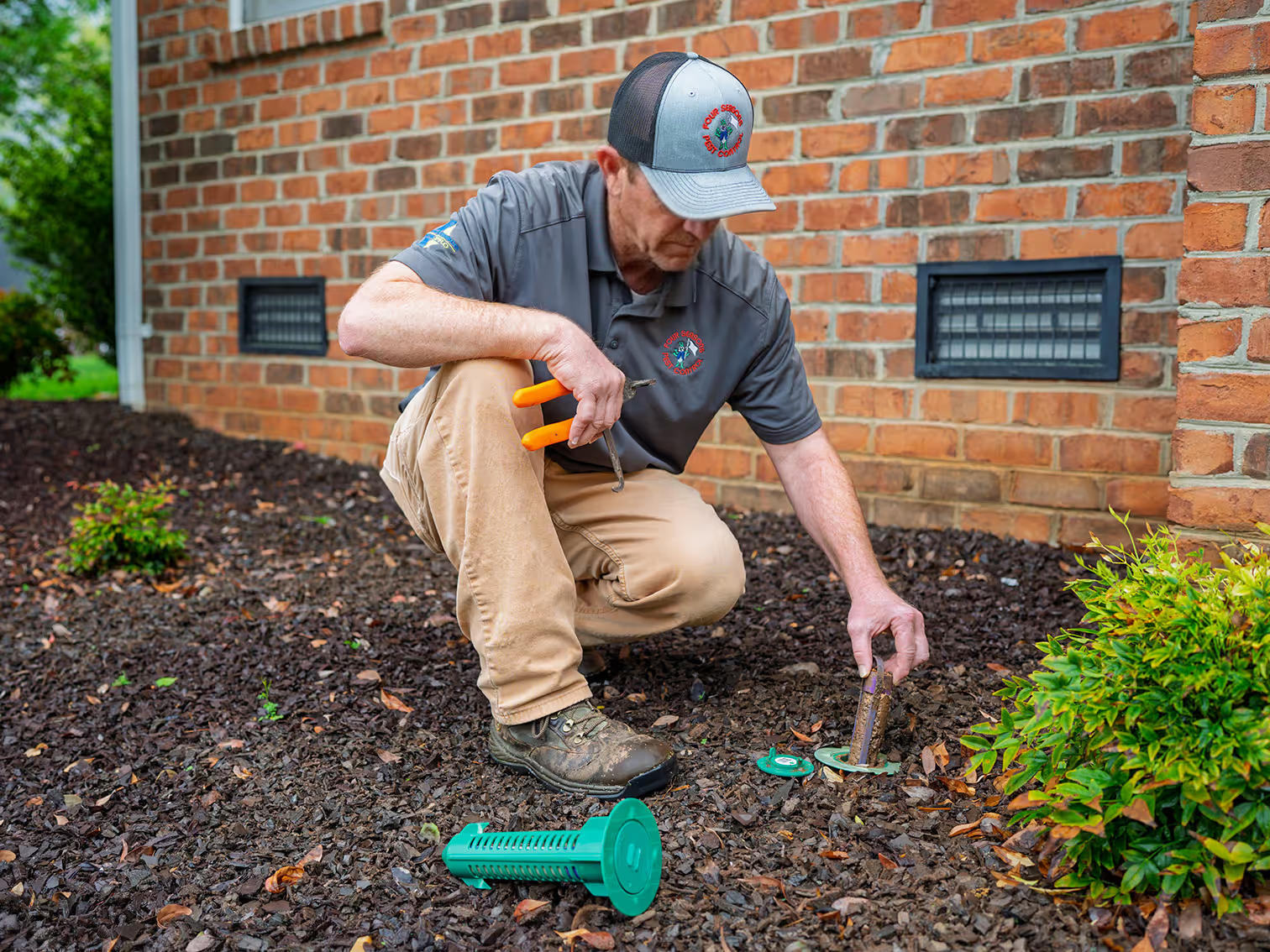
This is something our technicians often see in homes throughout our service area, especially during warmer months and seasonal weather changes.
What to Do if You See One Ant
If you spot a single ant, it’s a good time to take a closer look around your home.
Simple steps like cleaning up crumbs, sealing food containers, and checking for moisture can help reduce the chances of attracting more ants.
If ants seem to show up out of nowhere, there’s usually a reason behind it.
How This Connects to Bigger Ant Problems
A single ant doesn’t always mean an infestation—but it can be the first sign of one.
In many homes across Virginia and North Carolina, ant problems don’t start all at once. They build gradually, often beginning with just a few ants exploring the area.
If those early signs are ignored, activity can increase over time—and what starts small can turn into a problem that requires targeted ant treatment.
Not Sure What You’re Dealing With?
If you’re unsure whether what you’re seeing is a one-time issue or something more, contact Four Seasons Pest Control to get a better idea of what’s going on. We’ve been helping homeowners in this area prevent pest problems since 1998, and we’re ready to help you, too.
Our pest control plans for homeowners are designed to address current pest activity and help prevent new problems from developing.
Call (434) 836-1662 or request a free ant control quote.