Why Rodent Problems Show Up in the Fall
Around here, fall does not always arrive all at once. We may still have warm afternoons, followed by nights that suddenly feel much colder.
Those changes are enough to affect rodent behavior. Outdoor food becomes less dependable, temperatures begin dropping, and protected spaces around homes become more appealing.
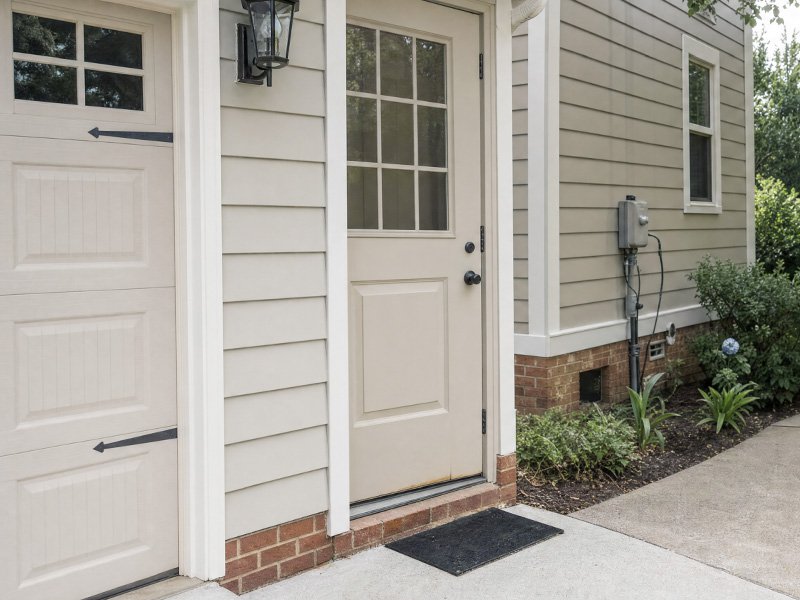
Basements and crawl spaces offer shelter close to the ground. Garages may provide pet food, birdseed, or nesting material. Attics stay quiet and insulated. Once rodents get into one of these spaces, they can use openings around pipes, wires, ducts, and wall voids to move through the house.
For more on the seasonal side of the problem, we have a separate guide that explains how winter weather affects rodent activity.
Where We Usually Check First
Every home is different, but during rodent inspections, we tend to find activity in many of the same places.
Basements
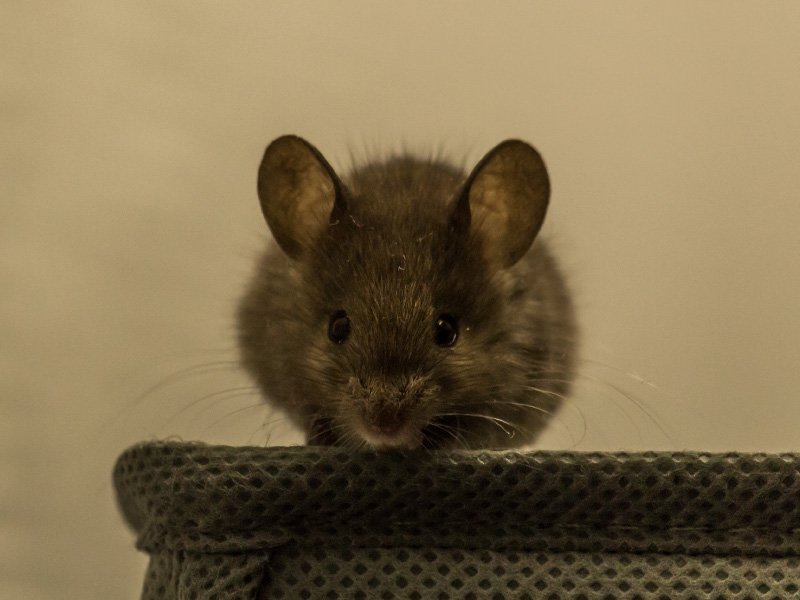
Basements give house mice plenty of places to stay out of sight, especially around storage and utility equipment. Norway rats also tend to use lower-level areas, entering through foundation gaps, loose vent covers, and openings around utilities.
When we inspect a basement, we pay close attention to:
- Foundation walls and sill plates
- Openings around pipes, cables, and utility lines
- Basement windows and exterior doors
- Furnaces, water heaters, and sump pump areas
- Storage placed against the walls
- Pet food, birdseed, grass seed, or bulk food storage
You may notice small droppings, shredded material, gnaw marks, disturbed belongings, or a stale odor before you ever see the rodent itself.
Crawl Spaces
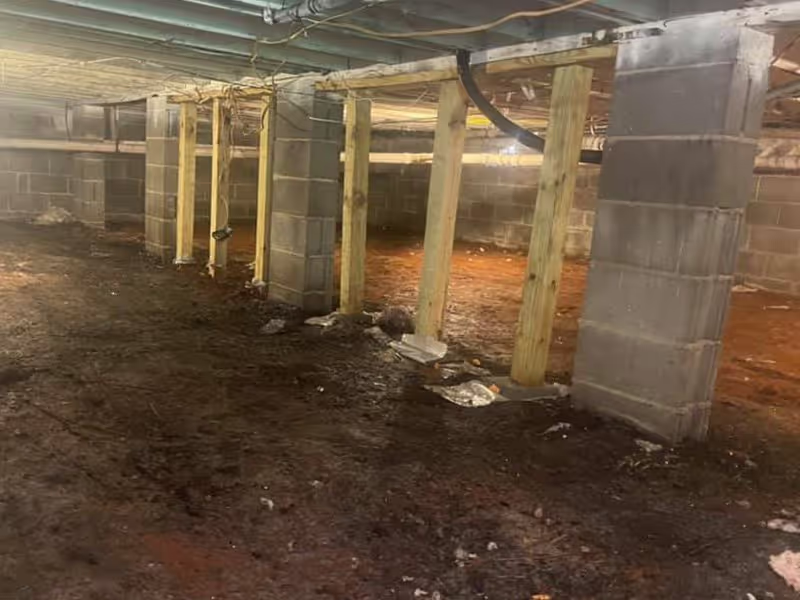
Crawl spaces are especially important because activity can remain hidden directly beneath the living area.
Whether we’re checking an older home around Danville or Reidsville or a wooded property near Moneta and Smith Mountain Lake, the crawl space is one of the first places we want to see when the noises seem to be coming from beneath the floor.
We often find that rodents enter through a damaged crawl-space door, a foundation vent, a utility opening, or a gap around the structure. Once beneath the house, they may nest in the insulation or travel upward through openings in plumbing and wiring.
If you can safely look into your crawl space, watch for:
- Droppings along foundation walls
- Torn or disturbed insulation
- Shredded nesting material
- Gnaw marks on wood, wiring, or stored items
- Tracks through dust or loose soil
- Damage around the crawl-space entrance
- Scratching or movement beneath the floor
Moisture can make a crawl space more hospitable to many kinds of pests. If the area stays damp, smells musty, or has standing water, rodent activity may be only part of the problem. Our crawl-space moisture control services address the conditions beneath the home that can contribute to recurring pest pressure.
Garages and Utility Rooms
We see plenty of rodent activity in garages, particularly when food or nesting materials are easy to reach.
Around homes near fields, wooded areas, or overgrown properties, field mice may also move into garages, sheds, and other protected spaces as temperatures drop.
Pet food, birdseed, grass seed, cardboard boxes, and bags of stored goods should be kept in sturdy containers with tight-fitting lids. It is also worth checking the corners of the garage door, the area behind stored items, and any place where utilities enter the wall.
Laundry rooms and mechanical rooms can create similar problems. Openings around plumbing, dryer vents, and HVAC lines can connect these rooms with crawl spaces, basements, or wall voids.
Attics
Not every rodent enters at ground level. Roof rats are skilled climbers and may reach attics through openings around rooflines, vents, soffits, or chimneys. Mice can also reach these spaces through small structural gaps.
Scratching above the ceiling, disturbed insulation, droppings, nesting material, and gnawed wiring can all point to attic activity. Because attic contamination creates its own set of problems, we cover it in greater detail in our guide to rodents and damaged attic insulation.
“I Only Found One Dropping. Should I Be Concerned?”
Maybe—but it is worth taking a closer look.
One old dropping does not necessarily mean rodents are currently living in the house. Fresh droppings that return after cleanup, repeated noises, new gnaw marks, or signs in several areas are much stronger indicators of ongoing activity.
That is part of what we determine during an inspection. We look at where the evidence is located, whether it appears recent, and how rodents may be moving through the structure.
If you’re not sure what left the signs you found, give us a call or arrange an inspection. We’ll help you figure out what you’re dealing with.
Be Careful When Cleaning Droppings
We know the first instinct is usually to grab a broom or vacuum. Don’t do that with dry rodent waste.
The CDC recommends wetting droppings and contaminated material thoroughly with disinfectant before cleaning. Rubber or plastic gloves should be worn, and dry droppings should not be swept or vacuumed before they have been disinfected.
You can review the CDC’s complete rodent cleanup instructions.
If there is widespread contamination, damaged insulation, or waste in a tight crawl space or attic, it may be safer to have the situation professionally evaluated.
How Our Residential Pest Control Helps
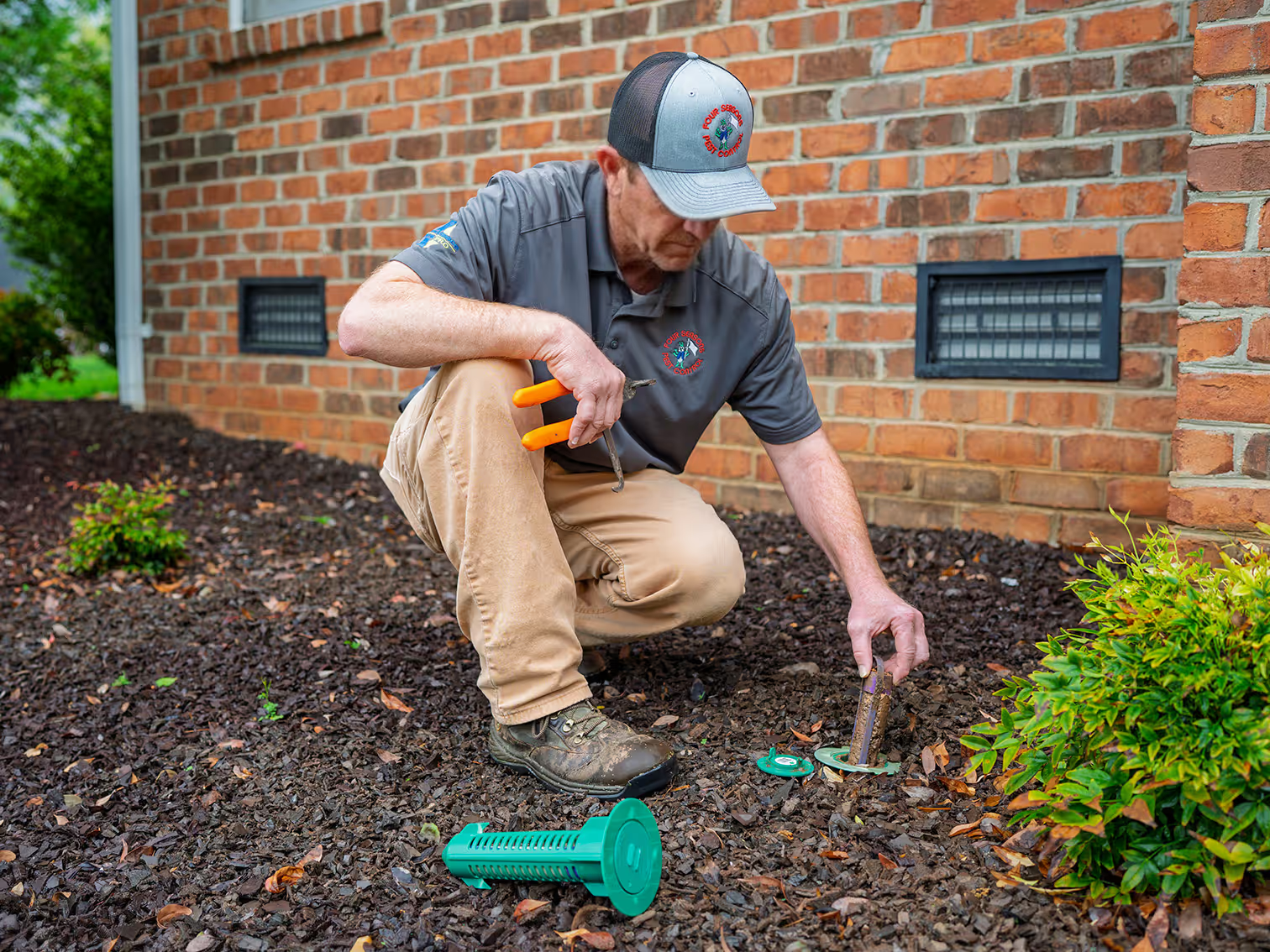
Once rodents are inside, setting a trap where you found a dropping may not solve the entire problem. There may be activity elsewhere in the structure, another food source, or an opening that has not been discovered.
When you call Four Seasons Pest Control, we start by listening to what you have noticed and where. We then inspect the areas most likely to be involved.
Our goal is to determine:
- What kind of pest activity is present
- Where rodents are nesting or traveling
- How widespread the problem appears to be
- Which conditions may be helping the activity continue
- What should be done about the current problem
- How to reduce the chance of another infestation
We will walk you through what we find and recommend the service that fits your situation.
For homeowners who want ongoing protection, our residential pest control plans provide year-round service against common household pests. Our Basic Pest Plan covers more than 25 pests, including mice, and includes routine exterior treatments with interior service when needed.
If the problem involves rats, significant contamination, damaged insulation, or crawl-space moisture, we will help you understand the appropriate next step.
You Don’t Need to Have a Pest Problem to Call Us
A lot of homeowners assume they should call a pest control company only after they find a mouse, see ants in the kitchen, or discover another active problem. That is not the case with us.
At Four Seasons Pest Control, we place a strong emphasis on prevention. Our residential pest control plans are designed to help prevent common household pests from becoming established in your home.
You can start service even if you have not seen a single pest or noticed any warning signs. With routine exterior treatments throughout the year and interior service as needed, we focus on the areas where pests are most likely to enter before they have an opportunity to settle in.
Of course, we are here if you already have mice or another pest problem. But you do not have to wait for scratching, droppings, damage, or an unwanted sighting to protect your home.
Whether you want help with current rodent activity or would simply prefer to prevent future pest problems, we would be glad to help you choose the right residential pest control plan.
Let’s Find Out What’s Going On
We’ve been helping homeowners throughout the region since 1998, including families in Danville, South Boston, Moneta, Smith Mountain Lake, Reidsville, Greensboro, and Browns Summit.
If you live in another nearby community, check our full service area or give us a call—we may already be in your neighborhood.
If you have found droppings in the basement, heard movement under the floor, or noticed possible rodent activity anywhere in your home, contact Four Seasons Pest Control.
We will take a look, tell you what we find, and help you choose the right residential pest control solution.
Request a rodent control quote today!
This article was originally published on October 1, 2025, and updated in September 2026.