Why Termites Swarm in Spring
Swarming is how termite colonies reproduce and spread. Once a colony matures, it produces winged reproductive termites that leave the nest to start new colonies nearby.
In Virginia and North Carolina, spring weather creates ideal swarming conditions. Warm temperatures, rainfall, and rising humidity all play a role. A stretch of warm, humid days after a rainstorm is usually when we see the biggest spike in termite swarmers.
Homeowners often notice swarmers around:
- Windows
- Porch lights
- Sliding glass doors
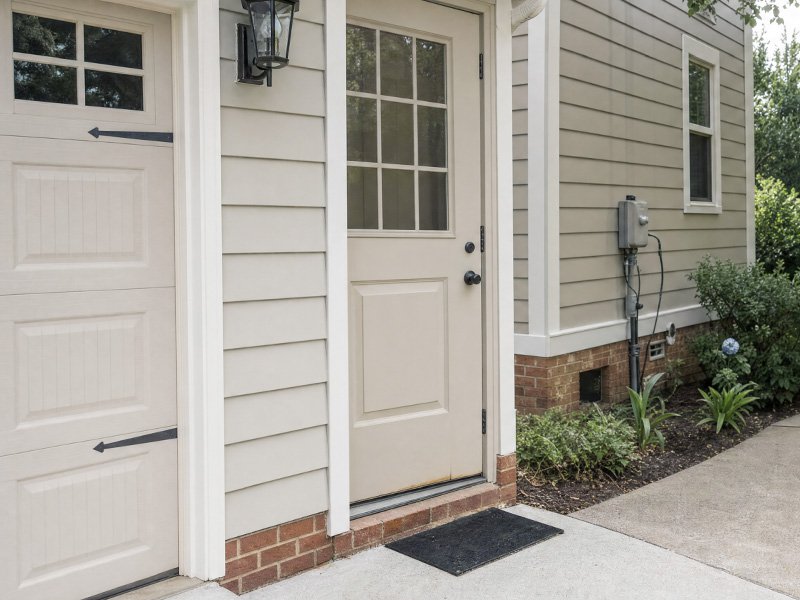
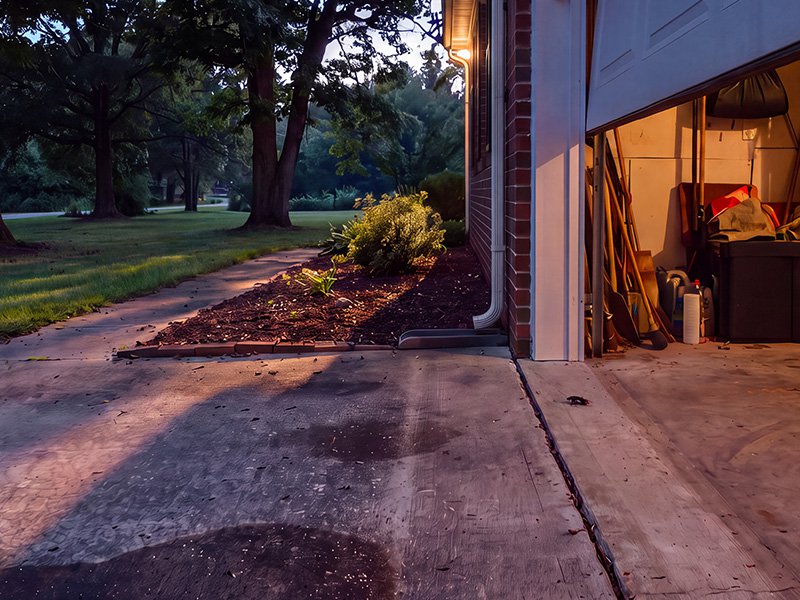
- Garages
- Crawl space entrances
Even though swarming season usually peaks between March and June, subterranean termites stay active underground year-round.
Flying Termite or Flying Ant? Here's How to Tell
This is one of the most common mix-ups we see. Homeowners across our Virginia and North Carolina service area spot winged insects indoors and immediately wonder whether they're dealing with termites or ants.
Termite swarmers have:
- Straight antennae
- A thick waist with no pinch in the middle
- Two pairs of wings that are equal in size
Flying ants have:
- Bent or elbowed antennae
- A narrow, pinched waist
- Front wings that are noticeably larger than the back wings
If you're not sure which one you're seeing, don't ignore it. Four Seasons can identify the insects and inspect for termite activity before hidden damage gets worse.
When Do Swarmers Come Out in Virginia and North Carolina?
In our part of Virginia and North Carolina, termite swarming season usually starts in early spring and can continue into early summer, depending on weather patterns.
At Four Seasons, we typically see the biggest spike in swarmer activity across Danville, South Boston, Moneta, Reidsville, Greensboro, and surrounding Southside Virginia and North Carolina communities once temperatures stay consistently warm.
Many homeowners are surprised to learn that swarmers often appear during the daytime, especially after rain and on warmer afternoons. They're also strongly attracted to light, which is why people commonly find them near windows, porch lights, and exterior fixtures.
And while a swarm may only last a short time, the colony that produced those termites has likely been active for years.
What Flying Termites Usually Mean for Your Home
This is the part that catches many homeowners off guard.
Termite colonies don't produce swarmers until they're mature and well established. So if you're seeing flying termites indoors or finding piles of discarded wings around windowsills or baseboards, it usually means the colony has been there for quite a while.
One of the biggest warning signs we look for during inspections is evidence that swarmers have already come and gone. Homeowners often sweep up the wings without realizing they may be seeing signs of a termite infestation.
Termites usually stay hidden behind walls, under floors, and inside crawl spaces, which is why infestations often go unnoticed until swarmers appear.
Over time, an active subterranean termite colony can cause serious structural damage if left untreated. That's why it's important not to ignore swarmer activity, especially if it happens indoors.
Seeing discarded wings indoors is one of the most common reasons homeowners call us for termite inspections throughout Virginia and North Carolina.
Common Places We Find Swarmer Activity
Signs of termite swarmers tend to show up in predictable areas around the home.
Common places we find swarmers and discarded wings include:
- Windowsills
- Sliding glass doors
- Exterior light fixtures
- Baseboards
- Door frames
- Garages
- Crawl space entrances
We also frequently find evidence of termite activity around foundations where wood touches soil directly.
In older homes throughout Danville and Southside Virginia, wood-to-soil contact is still pretty common. That's essentially an open invitation for subterranean termites.
Crawl spaces can make the problem worse too. In Virginia and North Carolina, crawl spaces with excess moisture or poor ventilation create ideal conditions for termites. Moisture-softened wood is easier for termites to invade, which is why homes with humidity or drainage issues often face higher termite pressure.
If you've noticed mud tubes along the foundation, those are worth paying attention to as well. Mud tubes are pencil-thin tunnels termites build to travel between their underground nest and the wood they're feeding on.
Can You See Swarmers Outside Without Having Termites in Your Home?
Yes — and this is something many homeowners ask us about.
Sometimes swarmers come from a colony in a nearby tree stump, landscape timber, woodpile, or neighboring property. Seeing swarmers outdoors doesn't automatically mean your house is infested.
But if you start seeing them indoors, finding discarded wings inside, or spotting mud tubes around the foundation, that's much more concerning and should be professionally inspected.
The challenge with termites is that most of the damage occurs out of sight. By the time homeowners notice visible signs, the colony has often been active for years.
What Should You Do If You See Flying Termites?
First — don't panic. But definitely don't ignore it either.
Over-the-counter sprays and foggers won't eliminate the underground colony. In many cases, they only kill the visible insects, while the real problem persists out of sight.
The best thing you can do is schedule a professional termite inspection.
Our technicians regularly find termite activity in places homeowners never expected:
- Behind drywall
- Under bathroom flooring
- Inside crawl space support beams
- Around expansion joints and plumbing penetrations
Every spring, our technicians inspect homes throughout Southside Virginia and North Carolina for swarmer activity, mud tubes, and hidden termite damage.
At Four Seasons, every termite service starts with a thorough inspection. If we find activity, we'll explain exactly what's going on and walk you through your treatment options clearly and honestly.
How Four Seasons Protects Homes from Termites
Four Seasons Pest Control has been protecting homes and businesses across Virginia and North Carolina since 1998, and termite protection is one of our most important services.
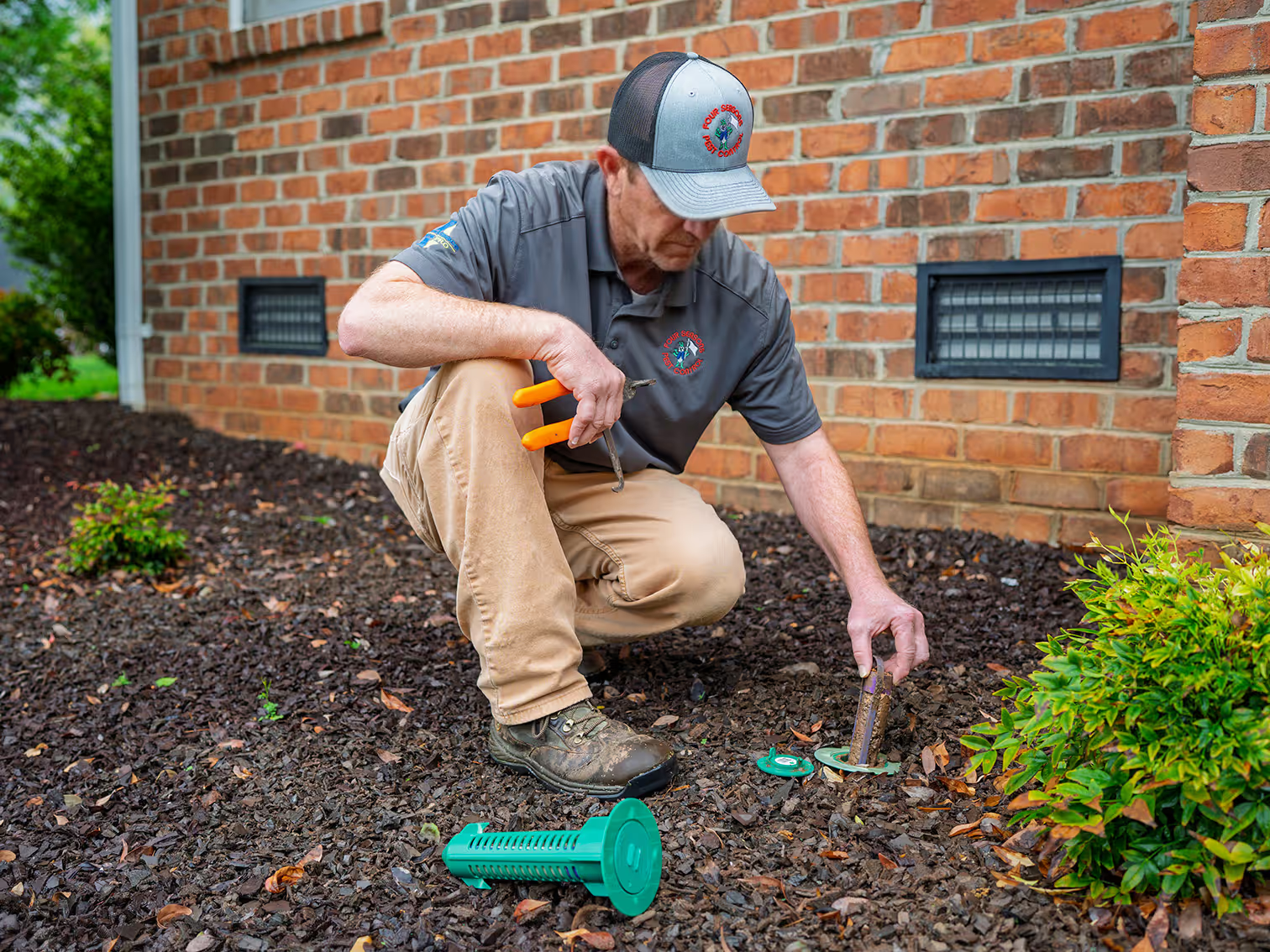
Our primary termite control solution is the Sentricon® System with Always Active™ technology. It's designed to eliminate the entire termite colony — not just the termites you happen to see. The system is installed around the perimeter of the home, where it intercepts termites before they reach the structure.
It's also an environmentally responsible treatment option and received the Presidential Green Chemistry Award.
In some situations, we also recommend traditional liquid termite treatments that create a protective barrier around the foundation.
And for homeowners buying or selling property, we provide Wood-Destroying Insect inspections, including NPMA-33 reports in Virginia and WDIR 100 reports in North Carolina. WDI inspections are often required during real estate transactions, especially for VA loans.
These inspections are often required during real estate transactions, especially for VA loans.
If you're interested in termite protection options or ongoing monitoring, our team can help you choose the right plan for your home.
Frequently Asked Questions About Termite Swarmers
Why are termite swarmers attracted to light?
Like many flying insects, termite swarmers are naturally drawn to light sources. That's why homeowners often find them around windows, porch lights, garage lights, and sliding glass doors during swarming season.
What time of day do termite swarmers usually appear?
In Virginia and North Carolina, subterranean termite swarmers most often appear during warmer daytime hours, especially after rainfall or on humid spring afternoons.
Do termite swarmers mean my home already has damage?
Not always — but it does mean there's a mature colony nearby. The only way to know whether termites have caused damage inside the home is through a professional inspection.
Can crawl spaces increase termite risk?
Yes. Crawl spaces with excess moisture, standing water, poor drainage, or high humidity create ideal conditions for subterranean termites. That's one reason termite pressure tends to be higher in homes with moisture issues underneath the structure.
What's the difference between a termite inspection and a WDI inspection?
A termite inspection focuses on checking for active termites, damage, and conditions that could attract them. A WDI inspection is an official report used during real estate transactions. These inspections are often required when buying or selling a home, especially for VA loans.
Protect Your Home from Termite Damage
If you've spotted flying termites, found discarded wings, or noticed mud tubes around your home, Four Seasons Pest Control is here to help.
We provide termite control throughout Danville, Moneta, South Boston, Reidsville, Greensboro, and surrounding communities in Virginia and North Carolina.
Contact us today to schedule an inspection.