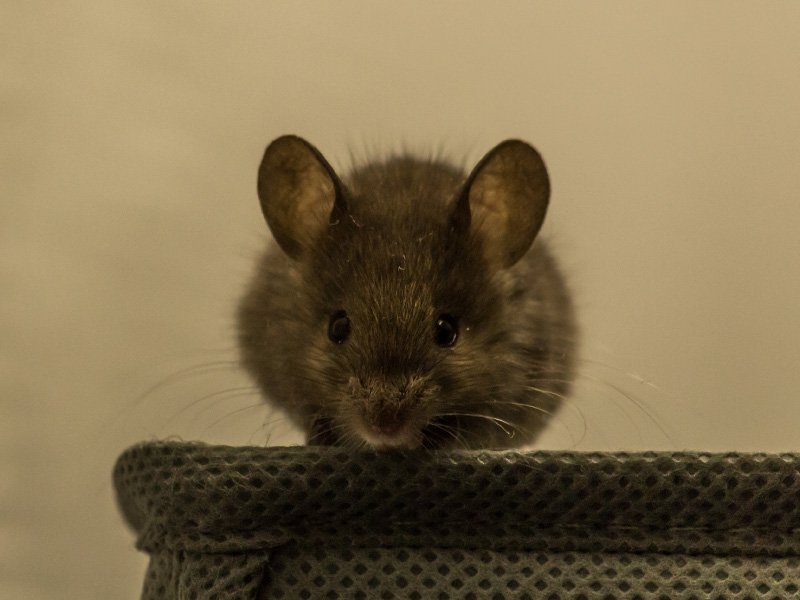
Diseases Carried by Rodents
Rodents can carry bacteria and viruses that can make people sick, but not every rodent carries the same germs, and the risks vary by species. Exposure can occur through contact with urine, droppings, saliva, or contaminated food and surfaces. Some infections can also spread when contaminated rodent waste is disturbed and particles become airborne.
Rodent-linked illnesses include:
- Salmonellosis
Rodents can spread Salmonella when their feces contaminate food, food storage areas, or surfaces. - Leptospirosis
An uncommon bacterial disease that can spread through water or soil contaminated by urine from infected animals, including rodents. Severe cases can cause kidney or liver damage. - Hantavirus Pulmonary Syndrome
A rare but serious respiratory disease associated with certain wild rodents, including deer mice, white-footed mice, cotton rats, and rice rats. These are different from the house mice, Norway rats, and roof rats more commonly associated with structural rodent problems. Infection can occur through exposure to contaminated urine, droppings, or saliva, particularly when dried material is disturbed.
Rodent-related illnesses such as leptospirosis and hantavirus are uncommon in Virginia and North Carolina. Virginia tracks reportable illnesses through its monthly communicable disease surveillance data, while North Carolina reports that hantavirus is extremely rare in the state. Rodent waste should still be handled carefully. The CDC recommends that droppings, urine, and nesting material be disinfected rather than swept or vacuumed while dry.
Allergies and Asthma Triggers
Rodents can also contribute to allergy and asthma symptoms in people who are sensitive to them. Proteins found in mouse and rat urine are known allergens, and once urine dries, allergen-containing particles can become airborne.
For people with rodent allergies or asthma triggered by rodent allergens, activity inside the home can contribute to symptoms such as sneezing, coughing, congestion, or wheezing. Addressing the rodent activity and contaminated areas can help reduce ongoing exposure.
Safety Hazards Linked to Rodent Behavior
While the focus of this article is health, it’s impossible to ignore one major safety-related issue: rodents chewing on electrical wiring.
This isn’t only a property damage problem; damaged or frayed wiring can create a potential fire hazard that directly affects your family’s safety.
Because this damage can occur behind walls or in other hidden areas, it may go unnoticed until the wiring is inspected or another problem develops.
The Stress of Dealing With Rodents
Rodent activity can also make it difficult to feel comfortable in your own home. Hearing scratching in the walls at night, finding droppings in living areas, or unexpectedly seeing a mouse or rat can be stressful and disruptive.
For some homeowners, ongoing rodent activity can interfere with sleep or create added worry about what may be happening in hidden areas of the home. Addressing the problem can help restore a greater sense of comfort and control.
How to Make Your Home Less Attractive to Mice and Rats
A few practical steps can make your home less accessible and less attractive to rodents:
- Seal gaps and openings around the exterior, including areas around pipes, utility lines, doors, and the foundation.
- Store human and pet food in tightly closed containers.
- Keep trash containers covered and clean up food spills and crumbs.
- Reduce clutter that can provide rodents with protected nesting areas.
- Repair leaks and remove easily accessible water where practical.
- Watch for droppings, gnaw marks, scratching sounds, and other signs of activity.
Ongoing professional pest control can also help prevent rodent infestations and provide year-round protection against mice and other common household pests.
Get Help With Rodents in Your Home
If rodents are active in your home, Four Seasons Pest Control is ready to help address the problem and recommend the right course of action. Our home pest control plans include mice along with many other common household pests, giving homeowners broader protection beyond a single pest problem.
Dealing with mouse or rat activity now? Request a rodent control quote today.
This blog was originally published on October 11, 2023; it has been updated to include new information.