Outdoor Lights Near Doors and Windows
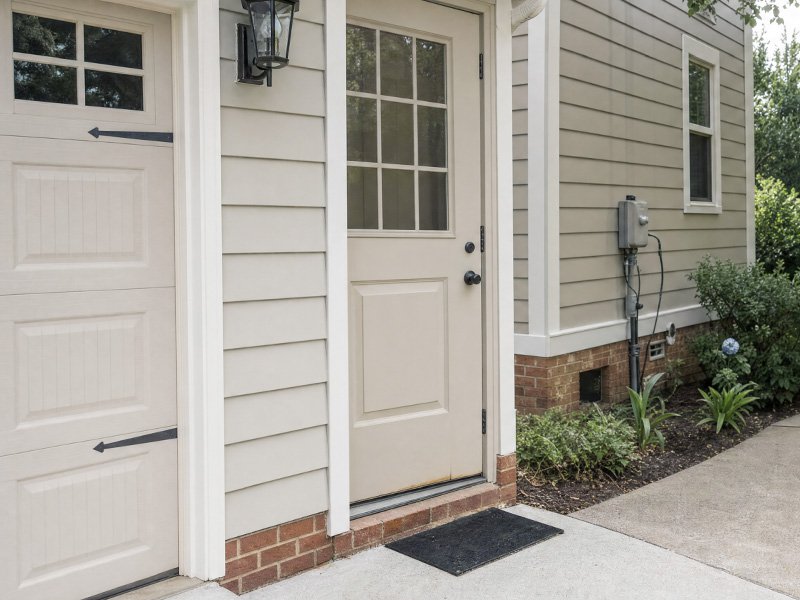
You’ve probably seen it on a warm evening. The porch light comes on, and before long, moths, beetles, gnats, and other flying insects are circling the fixture.
That turns the area around your doors and windows into a nightly insect hangout.
Once insects gather there, spiders often follow. They build webs near light fixtures, porch corners, door frames, and windows because that’s where the food is. And when that activity is happening right beside an entry point, it’s easier for bugs to end up indoors.
Switching to warm-toned LED bulbs or yellow-tinted bulbs may help reduce the insect crowd. But if spiders, ants, or other pests are already active around the house, changing the bulb probably won’t fix the whole problem.
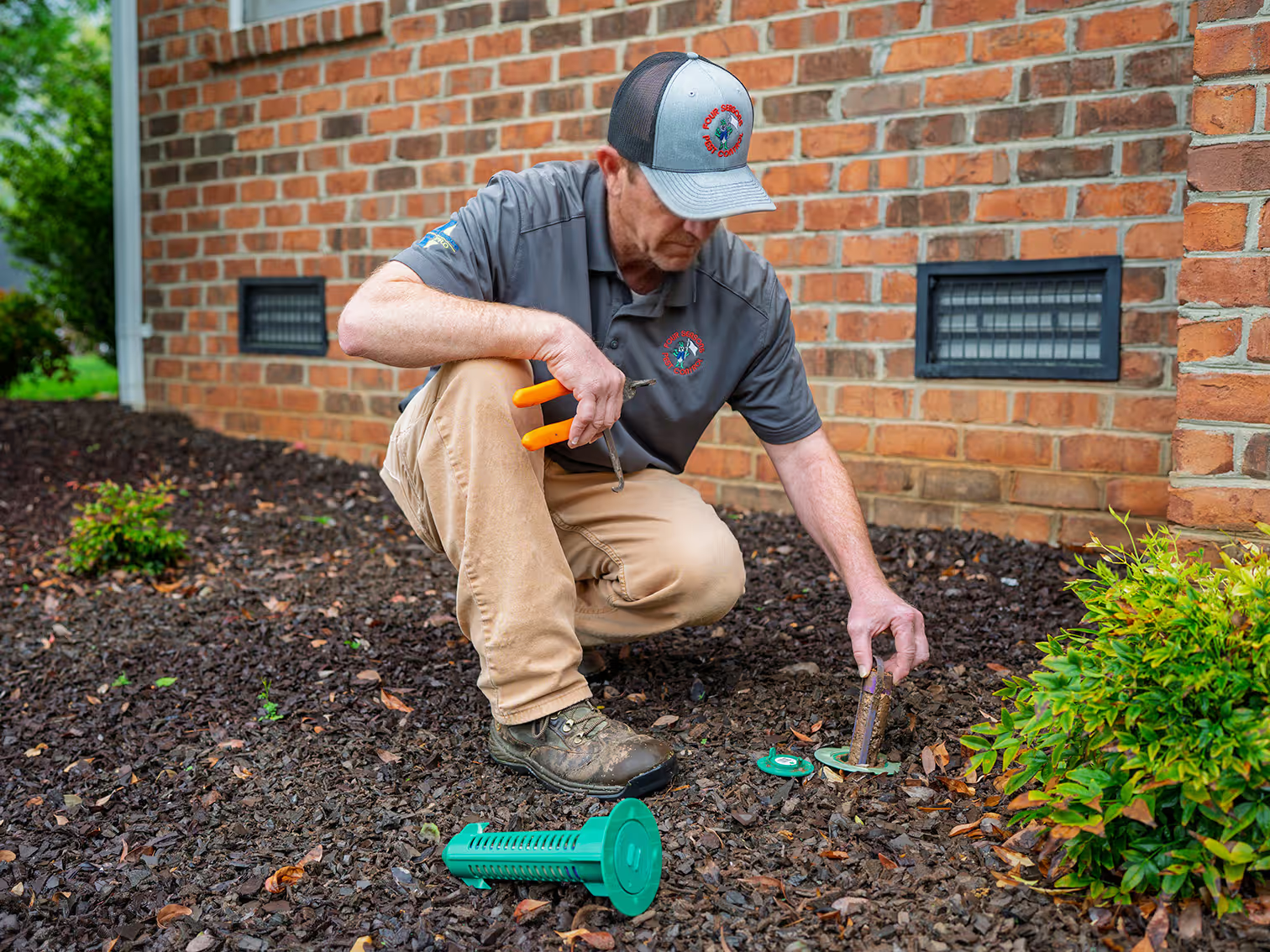
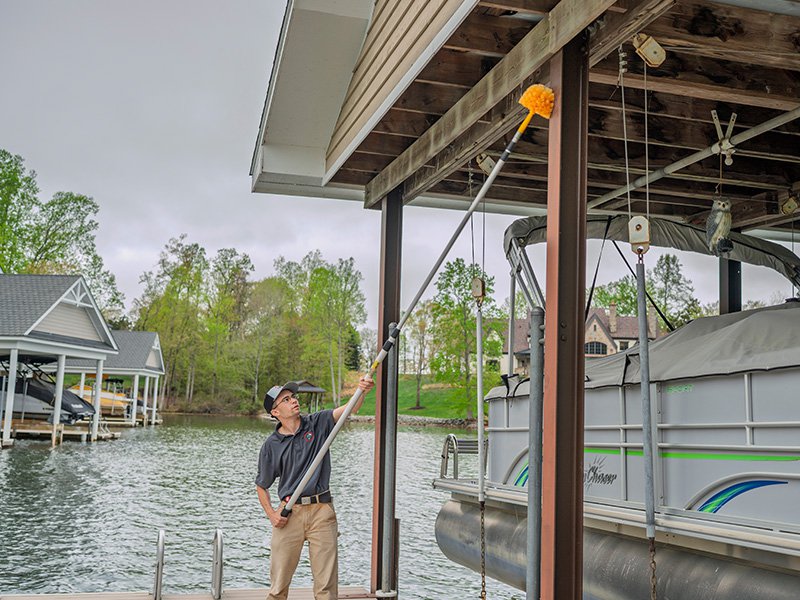
That’s where regular exterior service helps. During visits, Four Seasons technicians treat areas where pests gather, remove spider webs, and check common entry points.
Cardboard Boxes in the Garage, Attic, or Closets
Most homes have at least one stack of cardboard boxes somewhere. Maybe they’re in the garage from the last move. Maybe they’re full of holiday decorations in the attic. Maybe they’re tucked in a closet and haven’t been opened in years.
Insects and rodents love those quiet storage areas.
Cardboard gives insects and rodents dark, protected places to hide. Silverfish may feed on paper materials and adhesives. Cockroaches use cardboard clutter for shelter, especially in garages, basements, attics, and closets that don’t get much foot traffic.
Mice and rats can also turn stored boxes into nesting spots. They may shred cardboard, paper, fabric, or insulation inside boxes to build nests. If boxes sit undisturbed for months, a rodent problem can grow before anyone realizes what’s happening.
This is one of those situations where the home can be clean and still have bugs and rodents. The issue isn’t a dirty kitchen. It’s a quiet storage spot that gives pests room to hide.
Replacing cardboard with sealed plastic bins can help. But if you’ve found droppings, shredded materials, stains, or a musty smell in stored items, have Four Seasons take a closer look.
Clogged Gutters and Water Around the Foundation
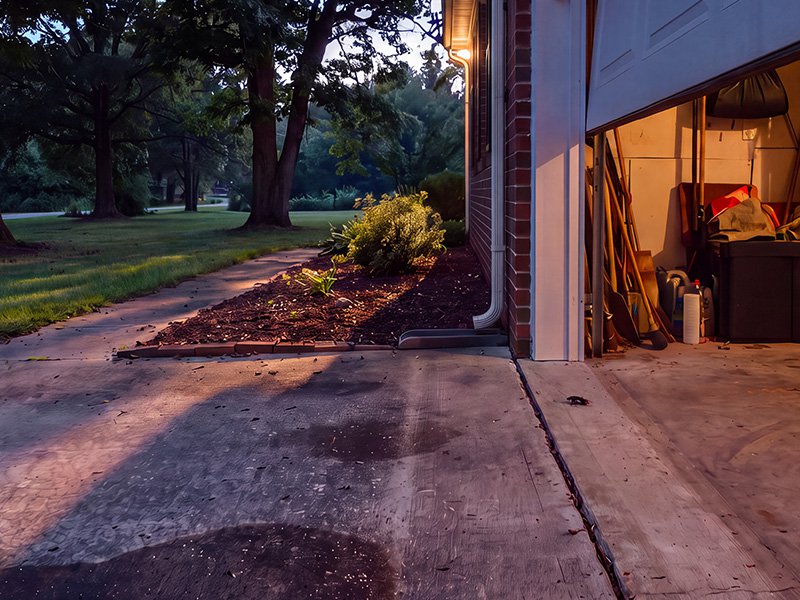
Clogged gutters are easy to ignore until water starts spilling over the edge. But pests may notice the problem much sooner.
Leaves, pine needles, and other debris trap moisture in gutters. That damp material can attract ants, earwigs, millipedes, and other pests that like wet, decaying organic matter. Mosquitoes may also use small pockets of standing water to lay eggs.
Another issue is what happens when gutters overflow. Water can collect near the foundation, soak into the soil, and add moisture around crawl spaces or basement walls. In humid parts of Virginia and North Carolina, that extra dampness can make bug problems worse.
Four Seasons offers Crawlspace Care® moisture control because reducing dampness under the home can make the property less inviting to moisture-loving pests.
Bird Feeders Close to the House
Bird feeders are great if you enjoy seeing cardinals, finches, and chickadees in the yard. The problem is that birds are not always the only animals eating the seed.
Seed that falls to the ground can become a regular food source for mice and rats. Once rodents find it, they may start nesting nearby. If the feeder is close to the house, they may begin exploring garage door seals, crawl space vents, siding gaps, or other openings.
From there, an outside rodent issue can become an inside one.
You don’t have to give up bird watching. Placing feeders farther from the house and using catch trays to limit spilled seed can help. But if you notice droppings, chew marks, scratching sounds, or rodent activity near the garage or foundation, have the situation checked.
Rodents are much easier to manage before they settle in and multiply.
Firewood Stacked Against the House
Stacking firewood right against the house is convenient, especially when the weather cools down. But it also gives pests a sheltered place to hide right next to your home.
Woodpiles create shade, moisture, and protection. Mice often hide in and around stacked wood, especially when the pile sits undisturbed for long periods. Spiders, earwigs, centipedes, beetles, and other pests can also hide between logs. Some may hitch a ride indoors when firewood is carried inside.
The risk goes up when firewood is stacked against siding, near a crawl space entrance, beside the garage, or close to an exterior door. Pests don’t have to travel far to reach the house.
Keeping firewood away from the home and raised off the ground helps reduce hiding spots. During routine service visits, Four Seasons technicians also check the foundation area for signs that pests may be moving from woodpiles, landscaping, or other outdoor hiding places toward the structure.
Thick Mulch Against the Foundation
Mulch makes flower beds look neat, and it can be great for plants. But when it’s piled too thick or pushed right up against the house, it can create problems.
Mulch holds moisture. It also gives bugs a covered place to move and hide. Ants, earwigs, millipedes, cockroaches, spiders, and termites may all be found around damp mulch beds, especially when those beds touch the foundation or siding.
For termites, the issue is mostly moisture and cover. Subterranean termites live in the soil and look for protected, damp routes to reach wood. Mulch that touches the house can make that path easier to travel without being noticed.
You don’t have to remove every bit of mulch from your yard. But it’s smart to keep a small gap between mulch and the foundation, avoid piling it against siding, and keep it from getting too deep.
These are the kinds of details a Four Seasons technician looks for during exterior service because small changes around the foundation can make a real difference.
Leaky Pipes, HVAC Drip Lines, and Other Hidden Water Sources
A slow drip under the kitchen sink may not seem urgent. Neither does condensation on an HVAC line nor a damp spot near a water heater. But pests notice steady moisture.
Cockroaches, ants, silverfish, and other pests can survive around small water sources, even in homes that are otherwise clean and well-maintained.
If you’re seeing bugs in the same area, a plumbing or moisture issue may be contributing. That’s why Four Seasons looks beyond the room where pests were spotted. The real issue may be under the sink, under the house, or around the foundation.
Small Gaps That Are Easy to Miss
Sometimes, the thing inviting insects and rodents in is simply an opening.
Tiny gaps around garage doors, siding, crawl space vents, utility lines, window frames, and door thresholds can give pests a way inside. Mice can squeeze through surprisingly small openings. Ants can trail through cracks around foundations and exterior walls. Cockroaches and spiders may enter through gaps around doors, vents, and items brought in from outside.
The tricky part is that many of these openings don’t look serious. A little daylight under a garage door may not seem like much. A loose vent screen may not stand out. A small gap around a pipe may be easy to overlook.
But they don’t need a wide-open door, only a wide enough space to get started.
A professional inspection helps connect the dots between what you’re seeing inside and where bugs and rodents may be getting in from outside.
Why One Fix Usually Is Not Enough
Most pest issues are not tied to one single thing.
You may have insects gathering near lights, mice finding bird seed, ants trailing from mulch, or moisture building up near the foundation. Any one of those may be manageable. Put a few together, and pests have more chances to settle in around the house.
This is also why one-time treatments often fall short. They may reduce the pests you’re seeing right now, but they don’t always address the conditions that keep bringing new pests back.
Ongoing pest control gives your technician a chance to monitor the home throughout the seasons, treat active areas, and identify small issues before they turn into more serious ones.
Four Seasons Looks at the Whole Property
When a Four Seasons technician visits your home, we’re not just treating and leaving. We’re looking at what’s happening in and around the house to help make your home less inviting to bugs and rodents.
That whole-property approach matters for homes across Virginia and North Carolina because activity varies with the seasons. Warm, humid weather can increase insect populations. Wooded lots and shaded yards can hold moisture. Older homes may have more entry points. Newer homes can have pest issues too, especially when fresh landscaping, drainage problems, or construction disturbance bring bugs and rodents closer.
Four Seasons Pest Control helps homeowners stay ahead of those issues with regular home pest control service that includes exterior treatments and interior service as needed. Our solution is prevention-focused; we want to stop insects and rodents before they have a chance to take over.
FAQ About What Attracts Pests to Homes
Can pests show up even if my house is clean?
Yes. A clean home helps, but moisture, shelter, warmth, and small openings around the outside can still bring bugs and rodents closer.
Should I be concerned if I only see pests outside?
Yes, especially if you’re seeing them close to doors, windows, the garage, the foundation, or the crawl space. Outdoor activity does not always mean they are already inside, but it can show where they are gathering and how they may eventually find a way in.
Can outdoor clutter make pest problems worse?
Yes. Items like unused planters, buckets, tarps, toys, stacked lumber, and stored patio furniture can hold moisture or create hiding places.
Do older homes have more pest problems?
Older homes can have more entry points, making them more susceptible to infestations. But newer homes are not exempt.
What should I tell my technician?
Tell your technician where you’ve seen pests, when you notice them, and whether you’ve heard scratching, found droppings, seen insects near lights, or noticed moisture problems. Even small details can help your technician figure out where the issue may be starting.
Get Help From a Local Pest Control Team
You don’t have to figure out what’s bringing bugs or rodents close to your home on your own.
Four Seasons Pest Control has been helping local homeowners protect their homes since 1998. Our technicians know how to spot the small details homeowners often miss, explain what they’re seeing in plain language, and recommend the service that makes the most sense for your home.
Call Four Seasons Pest Control or contact us online to schedule your service.