What Earwigs Actually Are (and Why They're Not as Bad as They Look)
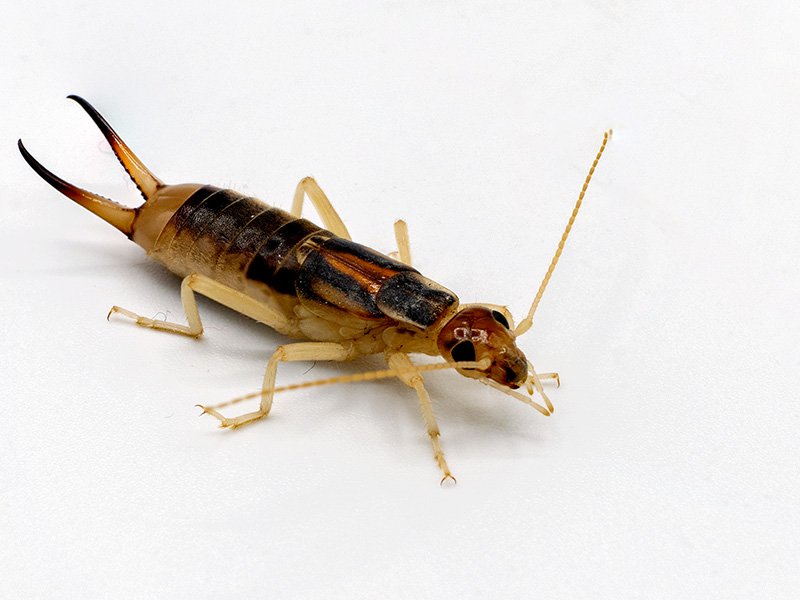
Earwigs are easy to spot once you know what you're looking at. They're reddish-brown to dark brown, about a quarter inch to an inch long, with flat, elongated bodies and a pair of curved pincers on their rear end. Those pincers — called cerci — are what freak most people out. They look like they could do some damage.
But here's the thing: earwig pincers aren't strong enough to hurt you. If one pinches you, you might barely feel it. They're not aggressive toward people, and they don't bite. They use those pincers mostly for defense against other insects and for folding their wings.
Speaking of wings — earwigs actually have two pairs of them. But they almost never fly. The wings sit folded up under a protective cover on their back, and most earwigs don't bother using them.
And that old myth about earwigs crawling into your ears while you sleep? Completely false. They have zero interest in your ears, they can't tunnel through anything, and they definitely don't lay eggs in your brain. It's one of those stories that stuck around for centuries, but there's nothing to it.
Why Earwigs Love Virginia and North Carolina Homes
Earwigs are moisture pests. They need damp, dark spots to survive, and they dry out fast in open air. That's why they're most active from late spring through summer — exactly when humidity climbs across our region.
In areas like Greensboro and the rest of the Piedmont Triad, the humid summer climate creates perfect conditions for earwigs to thrive outdoors. Mulch beds, leaf litter, and landscaping around foundations give them everything they need — food, moisture, and shelter. Homes around Danville and Chatham with wooded lots and mature landscaping tend to see heavier earwig activity because there's so much organic material close to the house.
Around Moneta and Smith Mountain Lake, properties with lakeside landscaping and shaded yards are another common hotspot. The combination of moisture from the lake, dense ground cover, and warm evenings makes it easy for earwig populations to build up fast.
During summer inspections, we commonly find earwigs hiding beneath mulch, around crawl space vents, under damp landscaping timbers, and near shaded foundation walls where moisture hangs around longer.
The thing is, earwigs don't usually come inside on purpose. They're looking for moisture, and when conditions outside get too hot or too dry, they start moving toward the foundation of your home.
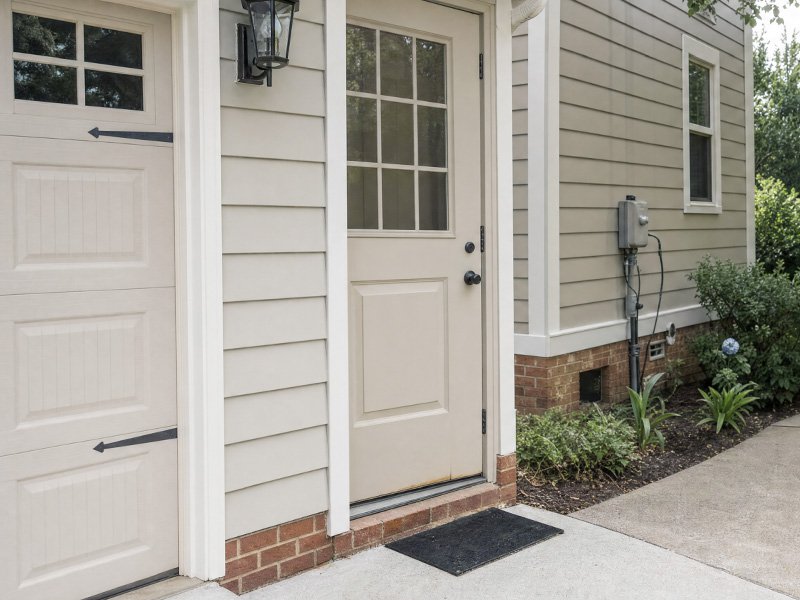
From there, they slip through gaps under doors, cracks in the foundation, openings around pipes, and spaces behind baseboards. Once they find a damp spot inside — a bathroom, a basement, or a crawl space — they tend to stick around.
That's usually when homeowners start noticing recurring earwig activity every summer, especially in bathrooms and lower-level areas of the house.
Where Earwigs Hide Inside Your Home
Earwigs are nocturnal, so you might have them in your house without seeing many during the day. They tuck themselves into tight, dark spaces and come out at night to look for food and water.
Here are the spots where we find them most often:
Bathrooms
Near sinks, tubs, shower drains, and anywhere moisture collects. Bathrooms are usually the number one spot because they offer exactly what earwigs need — warmth, darkness behind fixtures, and plenty of water.
Basements and Crawl Spaces
Especially if they're damp or poorly ventilated. In older homes across our service area, crawl spaces with exposed dirt floors or standing moisture can support earwigs along with a long list of other pests.
Kitchens
Under the sink is the classic hiding spot. The openings around plumbing lines give them an easy entry point, and the moisture under there keeps them comfortable.
Laundry Rooms
Washers and dryers create a warm, humid environment. Earwigs often end up behind or underneath these appliances.
Door Frames and Baseboards
Small gaps along baseboards and door frames are common entry points and hiding spots. You might see earwigs running along the edge of a wall at night and disappearing into a crack.
If you're finding earwigs regularly, especially in more than one room, it usually means there's a moisture issue or an opening around the home that's letting them inside. Give Four Seasons Pest Control a call, and we'll come take a look.
What's Attracting Earwigs to Your Yard
Before earwigs get inside your home, they usually settle into your yard first. Understanding what draws them there is a big part of keeping populations under control around the house.
Mulch and Ground Cover
Mulch beds are basically earwig paradise. The material holds moisture, provides food, and stays dark underneath — exactly the conditions earwigs look for when nesting. If mulch is piled directly against the foundation, earwigs have an easy path toward the house.
Leaf Litter and Yard Debris
Dead leaves, fallen branches, stacked firewood, and piles of organic material all create ideal hiding spots. Earwigs commonly nest in shallow soil chambers underneath this type of debris.
Overwatered Landscaping
Watering plants late in the evening leaves moisture sitting overnight, which lines up perfectly with when earwigs are most active.
Exterior Lights
Earwigs feed on small insects, and outdoor lights attract plenty of them. Porch lights, landscape lighting, and security lights near the home can pull more insect activity toward the structure at night.
Poor Drainage
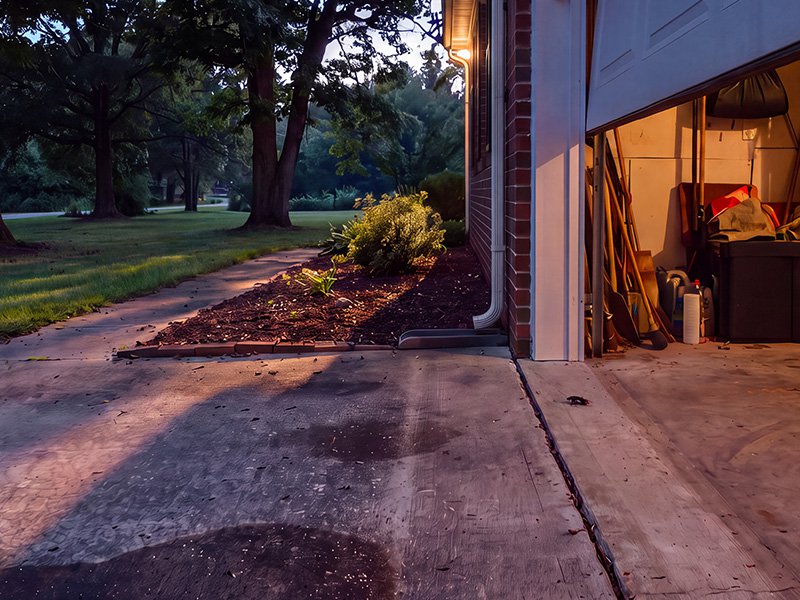
If water pools near your foundation after rain or gutters dump water next to the house, that creates the damp soil conditions earwigs prefer.
How Four Seasons Keeps Earwigs Out of Your Home
Earwigs are covered under all of our home pest control plans, which means you're protected before they become a problem — not just after.
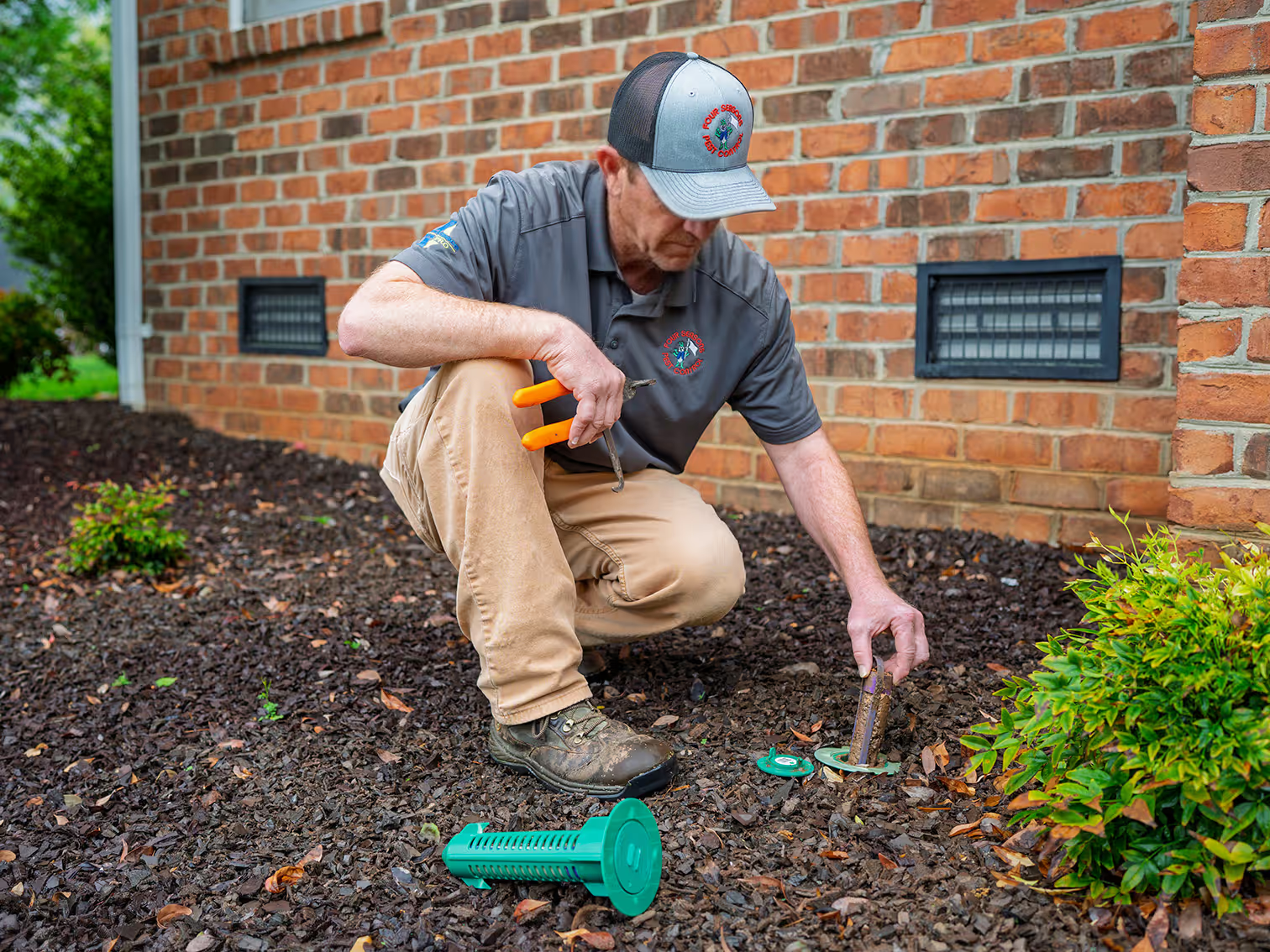
Our technicians treat the exterior perimeter of your home during every routine visit, focusing on the foundation, entry points, and areas around your home where earwigs hide and travel. That exterior barrier is what helps stop them before they get indoors.
If any do make it inside, we treat interior areas as part of your plan at no extra charge.
For homes where moisture is a factor, we also offer moisture control services. A damp crawl space doesn't just attract earwigs — it creates conditions for a wide range of pest problems. Addressing the moisture source makes pest treatments far more effective in the long term.
We've been doing this since 1998 across Danville, Moneta, Reidsville, South Boston, Greensboro, and everywhere in between. Our technicians know the homes in this area, the landscaping, and the specific pest pressures that come with living in this part of Virginia and North Carolina.
In older homes, we frequently see earwigs building up around foundation mulch beds and moisture-heavy crawl spaces during the hottest parts of summer. Knowing where they hide and why they're there helps us stop the problem faster.
Ready to stop dealing with earwigs? Contact Four Seasons Pest Control for a free quote or give us a call. We'll take care of it.
Frequently Asked Questions About Earwigs
Are earwigs dangerous?
No. Earwigs don't bite, they don't spread disease, and their pincers aren't strong enough to break your skin. They look intimidating, but they're harmless to people and pets. The biggest issue with earwigs is the nuisance factor — nobody wants to see them crawling around the bathroom at night.
Are earwigs worse after heavy rain?
Usually, yes. Heavy rain saturates the soil and floods the damp hiding spots earwigs normally stay outdoors. When that happens, they start moving toward drier shelter, which often means garages, basements, crawl spaces, and ground-level rooms inside the house.
Can earwigs damage plants or gardens?
They can. Earwigs feed on leaves, flowers, fruits, and vegetables. A small number usually won't cause noticeable damage, but larger populations can leave behind chewed leaves, damaged seedlings, and ragged-looking plants.
Do earwigs mean you have a moisture problem?
Not necessarily, but a recurring earwig problem can indicate excess moisture somewhere around the home.
Can earwigs survive indoors during winter?
Outdoor earwig activity slows down once temperatures cool off in the fall. But if they find a damp, protected environment indoors — especially in crawl spaces or basements — some can survive much longer than homeowners expect.
Keep Earwigs Out for Good
Earwigs aren't dangerous, but they are persistent. As long as there's moisture nearby and a way inside, they'll keep showing up.
If you're tired of finding them in your bathroom, kitchen, or other part of your home, let Four Seasons Pest Control handle it. Our home pest control plans cover earwigs year-round, and our team knows exactly how to keep them out of Virginia and North Carolina homes.
Get in touch for a free quote, and let's get your home back to normal.