Why Virginia and North Carolina Homes Are Prone to Silverfish
Silverfish need moisture to survive. That is one reason they are so common in Virginia and North Carolina, where warm weather, summer humidity, crawl-space moisture, plumbing leaks, and limited ventilation can keep parts of a home damp for long periods.
Bathrooms, laundry rooms, kitchens, basements, and crawl spaces often provide the humid conditions silverfish prefer. A slow drip under the sink, condensation around a pipe, or damp air beneath the house may be enough to support ongoing activity.
Once they find the right conditions, food is rarely hard to come by. Silverfish feed on materials containing starches, sugars, proteins, and cellulose. Inside a home, that can include paper, cardboard, book bindings, wallpaper paste, fabrics, insulation materials, and pantry staples such as flour and oats.
A damp storage area filled with cardboard boxes, old magazines, clothing, or documents can give silverfish food, shelter, and moisture all in one place.
Where Silverfish Hide
Silverfish are active mostly at night and move quickly when exposed. You may not see them during the day unless you open a cabinet, move a storage box, or disturb another hiding place.
Our technicians often find them under bathroom sinks, behind toilet bases, around water heaters and washing machines, and near plumbing runs in crawl spaces. They may also hide behind baseboards, beneath loose wallpaper, inside wall gaps, and around cracks where moisture collects.
Closets, garages, attics, and storage rooms can also support silverfish, especially when cardboard, paper, books, or fabrics remain undisturbed for long periods. Linen closets and dresser drawers may become hiding places when indoor humidity stays high.
Seeing one silverfish does not always mean you have a large infestation. But repeated sightings in several rooms or frequent activity in open areas can indicate that they have spread beyond one isolated hiding place.
What Silverfish Damage Looks Like
Silverfish damage is usually subtle. They scrape material from the surface rather than chewing through it the way rodents or some other insects do.
Paper, photographs, documents, and book pages may develop irregular holes, rough edges, or scraped areas. Wallpaper may appear damaged along seams or begin peeling where silverfish have fed on the adhesive underneath.
Stored clothing and fabrics can develop small, uneven holes or yellowish stains, especially when they contain starch, sizing, food residue, or natural fibers. Silverfish may also leave behind tiny dark droppings and thin, transparent shed skins near the places where they hide.
Damage often shows up in storage areas first because those belongings are not checked regularly. A box of tax records, photographs, seasonal clothing, or old books may sit untouched long enough for the activity to go unnoticed.
Finding one damaged book or a few shed skins does not tell you exactly how many silverfish are present. Most of their activity happens in places you cannot easily inspect, and the insects you see may be moving out from behind a wall, beneath the floor, or inside a damp storage area.
That is why we look beyond the room where a silverfish was spotted. The bathroom floor may be where you noticed it, but the conditions supporting the problem could be under the sink, around a plumbing line, inside a nearby wall, or beneath the house.
Can You Get Rid of Silverfish Without a Professional?
There are several things you can do to make your home less comfortable for silverfish. Fix leaking pipes and dripping fixtures, run exhaust fans in bathrooms and kitchens, and use a dehumidifier in damp areas such as laundry rooms, basements, and crawl spaces.
Replacing cardboard boxes with sealed plastic bins can also remove some of their favorite hiding and feeding areas. It helps to clear out piles of paper, fabric, and other belongings that have been sitting undisturbed.
Sealing gaps around plumbing lines, baseboards, windows, and exterior doors may reduce silverfish's ability to move through the house. These changes can also help make your home less attractive to common household pests, such as earwigs, centipedes, and millipedes.
The problem is that these steps do not remove silverfish that are already established behind baseboards, beneath flooring, inside wall gaps, or under the house. A trap or store-bought spray may kill the one running across the bathroom floor, but it does not tell you where the rest are hiding or what is allowing them to remain active.
Silverfish can also survive for months without eating, so simply removing paper, cardboard, or other food sources is unlikely to eliminate an established problem.
Silverfish and Our Home Pest Control Plan
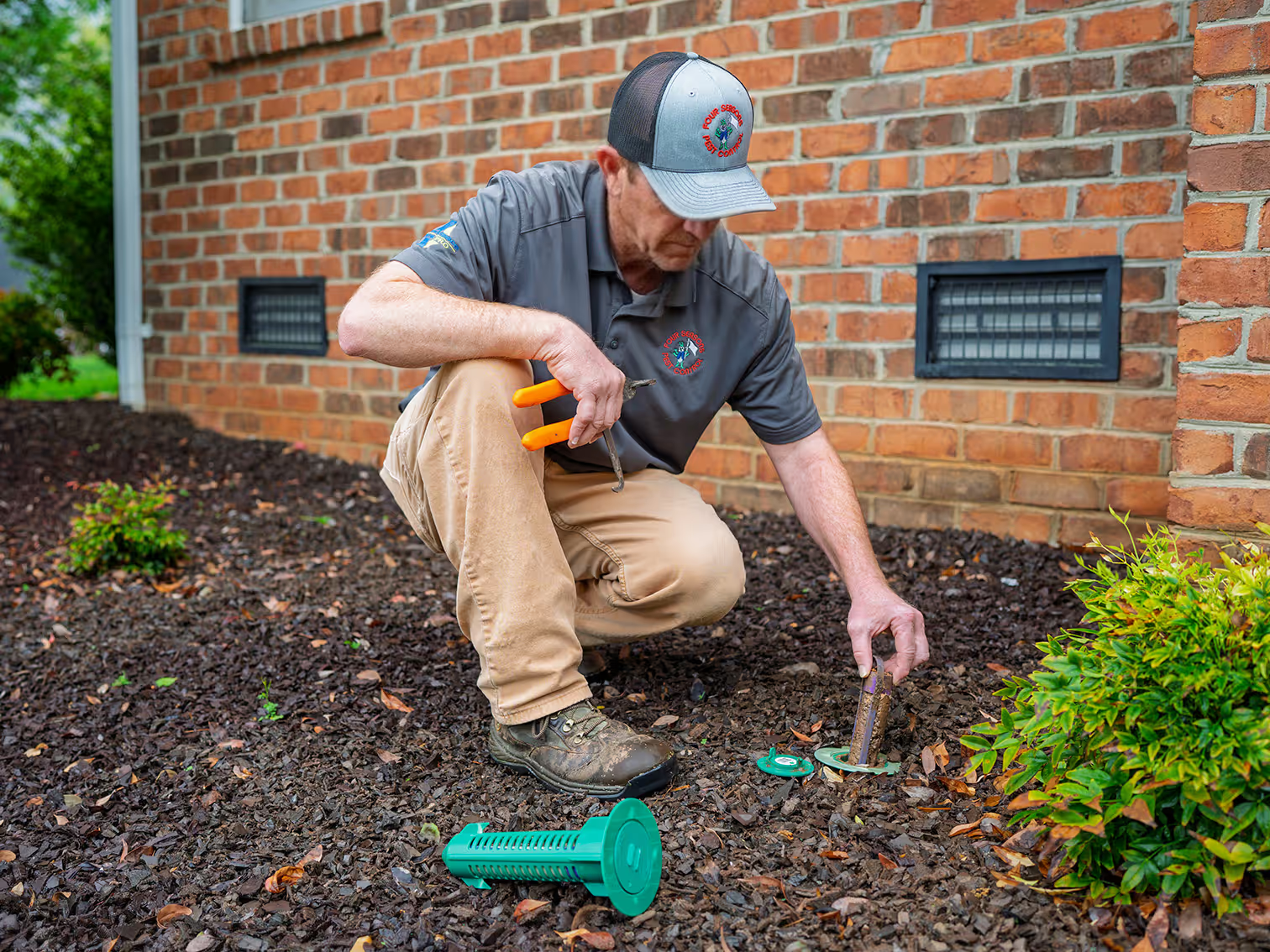
Silverfish are covered under our Basic Pest Plan, along with more than 25 other common household pests. We start with a thorough inspection, treat the existing infestation inside your home, and apply a perimeter treatment around the exterior to help keep silverfish and other pests from getting back in.
We then return every quarter to re-treat the property. That ongoing service helps prevent silverfish from re-infesting your home and provides year-round protection against the other covered pests that commonly infest homes in Virginia and North Carolina.
If you have seen silverfish in your home, found damage to stored belongings, or simply want to ensure pests don't have the opportunity to move in, we have the right home pest control plan for you!
How Crawl-Space Moisture Contributes to Silverfish Problems
Crawl spaces can play a major role in silverfish activity, especially in homes with exposed soil, plumbing leaks, poor drainage, or limited airflow.
Moisture beneath the house can raise humidity around insulation, floor joists, plumbing penetrations, and the subfloor. Silverfish hiding in those areas may move into the living space through gaps around pipes, wiring, vents, and wall cavities.
That is why activity may keep turning up in bathrooms, closets, kitchens, and utility rooms even when those rooms appear clean and dry.
Our home pest control service addresses silverfish activity, but we also focus on the conditions around it. If the crawl space remains damp, treating the insects without addressing that moisture may make long-term control more difficult.
Four Seasons offers moisture control services when crawl space conditions are contributing to pest problems. Not every home needs moisture control work, and we do not treat it as an automatic recommendation. We look at what is happening under your home and explain whether pest control alone is appropriate or whether the moisture itself also needs attention.
Frequently Asked Questions About Silverfish Infestations
Are silverfish a sign of a bigger problem in my home?
They can point to excess moisture from a leak, poor ventilation, or a damp crawl space. Silverfish do not cause mold or wood damage, but they may be a sign that moisture conditions need attention.
Do silverfish spread from house to house?
Not usually. Silverfish are more likely to enter through small gaps or be carried inside in boxes, books, furniture, and stored papers.
How quickly can a silverfish problem grow?
Unlike German cockroaches, silverfish reproduce slowly, but they can live for several years and remain hidden for months. By the time you see them in multiple rooms, they may already be established in several areas of the home.
Get Help With Silverfish in Your Home
A silverfish sighting may seem minor, but repeated activity or damage to books, clothing, wallpaper, and stored papers is worth addressing before it spreads to other areas of your home.
Local, family-owned Four Seasons Pest Control has helped homeowners across Southside Virginia and parts of North Carolina deal with silverfish and other household pests since 1998.
If you are seeing silverfish in your bathroom, closets, storage areas, or crawl space, contact us for a free quote and find out which home pest control plan is right for you.